+86-350-6071768 [email protected] Dingxiang, Shanxi, China · Forging since 1992
Industrial Sealing & Piping Whitepaper

Discount Pipe Flange Gasket Material Manufacturer & Product

Next-Generation Precision Forged Flanges & High-Integrity Fluid Sealing Systems engineered for high-pressure, cryogenic, and fugitive emission critical infrastructure.

Featured Product Selections (1-8)

High-Performance Pipe Flanges & Sealing Components

Direct-from-factory industrial flange solutions manufactured in accordance with ASME B16.5, ASME B16.47, and EN 1092-1 rigorous engineering standards.
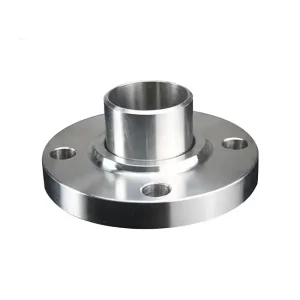
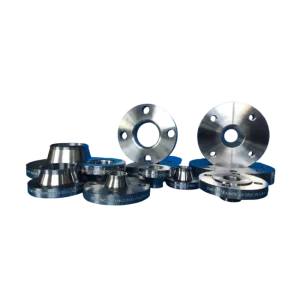
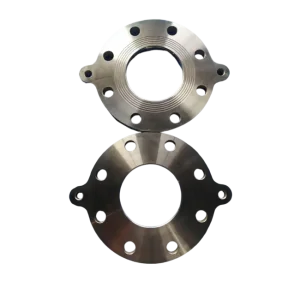
Lap Joint Flanges Industrial Use

Best China Factory Suppliers of Lap Joint Flanges for Industrial Use | Corrosion-Resistant, High-Pressure, Cost-Effective Manufacturer

View Product Details
China Lap Joint Flanges Factory

Discount China Lap Joint Flanges Factory | Reliable Suppliers for Industrial Use with Competitive Pricing Manufacturers

View Product Details
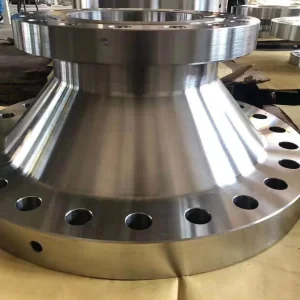
China Export Reducer Flange

Discount China Export Reducer Flange | Competitive Price & Reliable Supply Manufacturers, Product

View Product Details
Custom Stub End Flanges

China Custom Stub End Flanges from China | Reliable Suppliers & Factory for Any Size and Material Manufacturer

View Product Details
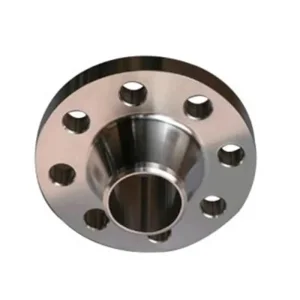
ANSI ASME B16.47 Welding Neck Pipe Flanges

Discount China Suppliers and Factory for ANSI ASME B16.47 Welding Neck Pipe Flanges - High Quality Products

View Product Details
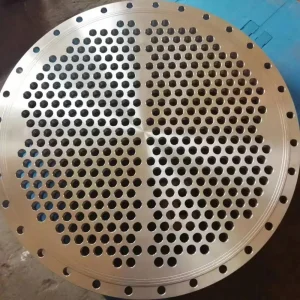
Custom Tube Sheets

Best Custom Tube Sheets from China | Any Size/Material | OEM Support by Trusted Suppliers and Factory

View Product Details
Custom Weld Neck Flanges EN 1092-1

Best Custom Weld Neck Flanges EN 1092-1 | OEM Accepted Manufacturers, Products

View Product Details
Discount Lap Joint Flanges

Discount Lap Joint Flanges for Industrial Use | Competitive Pricing Manufacturer, Product

View Product Details
33+
Years of Forging Excellence
10,000T
Annual Flange Capacity
100%
EN 10204 3.1 Traceability
40+
Global Export Markets
Technical Whitepaper

Engineering Fundamentals of Pipe Flange Gasket Materials & Flange Assembly Dynamics

In high-integrity industrial processing environments—ranging from deepwater hydrocarbon transmission headers to supercritical steam boilers—the mechanical joint formed between bolted pipe flanges and their seating gasket materials represents the singular line of defense against catastrophic fugitive emissions, pressure drops, and explosive medium releases. While procurement teams frequently query search vectors for "Discount Pipe Flange Gasket Material Manufacturer & Product," engineering rigor dictates that cost optimization ("discount") must never compromise the thermodynamic, mechanical, or chemical resilience of the static seal interface.

A static flange connection is a complex elastic-plastic system. When tightening flange bolts, compressive force generates seating stress across the gasket faces. This force yields the gasket material into the micro-imperfections (phonographic serrations or smooth mill finishes) of the flange facing. Understanding how material properties correlate with international code mandates (ASME Section VIII, EN 1514, and DIN 2690) requires analyzing core parameters governing joint behavior under dynamic operational loads.

Key Engineering Takeaway: The total sealing effectiveness of a bolted flange joint is governed by the relation between initial bolt preload ($W_{m1}$), residual gasket seating stress ($y$-factor), maintenance of load during internal pressurization ($m$-factor), and the material's resistance to creep relaxation under thermal cycling.

1. Mechanics of Seating Stress, Torque Retention, and Load Factors

Designing and selecting discount pipe flange gasket materials demands strict adherence to ASME Boiler and Pressure Vessel Code (BPVC) rules for flange design. Two empirical parameters define gasket performance:

  • The Seating Stress Factor ($y$): The minimum design seating stress (expressed in PSI or MPa) required to compressive-yield the gasket material and force it into intimate surface contact with flange serrations at ambient temperature, prior to internal pressurization.
  • The Maintenance Factor ($m$): The dimensionless multiplier that dictates the additional compressive load required on the gasket above internal fluid operating pressure to maintain a hermetic seal while preventing joint separation under line stress.

Creep Relaxation

The gradual reduction of compressive stress over time under constant strain. High-grade graphite and metal-reinforced materials resist creep to prevent bolt torque decay during thermal spikes.

Blowout Resistance

The capacity of the inner ring or structural matrix to withstand high radial pressure gradients without experiencing lateral material extrusion or structural shear failure.

Recovery & Resilience

The elastic spring-back percentage of a gasket during pressure fluctuations or thermal expansion differential between flange studs and flange walls.

2. Material Classification Matrix & Thermodynamic Limits

Pipe flange gasket materials span non-metallic soft cut sheets, semi-metallic composite structures, and full metallic ring joint gaskets (RTJ). Matching the appropriate material matrix to operational chemistry prevents crevice corrosion, galvanic degradation, and physical erosion.

Gasket Material Family Standard Specifications Temp Range (°C) Max Pressure (Bar) ASME m / y Factors Primary Application Profile
Flexible Exfoliated Graphite (SS316 Tanged Insert) ASTM F104, EN 1514-1 -200 to +550 °C 140 Bar m = 2.00, y = 2,500 PSI Supercritical Steam, Refinement Units, High-Temp Thermal Oils
Expanded PTFE (ePTFE) (Multi-directionally Oriented) FDA 21 CFR 177.1550, TA-Luft -240 to +270 °C 80 Bar m = 1.75, y = 1,500 PSI Ultra-pure Acids, Aggressive Solvents, Pharma & Food Piping
Compressed Non-Asbestos Fibre (CNAF) (NBR/Aramid) BS 7531 Grade X, DIN 28091 -40 to +250 °C 50 Bar m = 2.75, y = 3,700 PSI General Utilities, HVAC, Low-Pressure Water/Gas Lines
Spiral Wound Gaskets (SWG) (SS316L / Graphite / Outer Ring) ASME B16.20, EN 1092-1 -200 to +650 °C 250 Bar (Class 1500) m = 3.00, y = 10,000 PSI High-Pressure Hydrocarbon Lines, Cyclical Thermal Process Headers
Ring Type Joints (RTJ - Soft Iron / Octagonal) ASME B16.20, API 6A -50 to +800 °C 400+ Bar (Class 2500) m = 5.50, y = 18,000 PSI Offshore Wellhead Manifolds, High-Pressure Gas Injection Lines
Global Market Economics

Global Industrial Landscape & Economics of Cost-Optimized Sealing Components

Understanding global demand shifts across energy, petrochemical, and municipal infrastructure sectors drives factory-direct pricing efficiencies without compromising material integrity.

Hydrogen & Cryogenic Transition

Global decarbonization mandates require specialized micro-molecules sealability. Gasket materials must prevent zero-emission hydrogen leakage under deep cryogenic conditions down to -253 °C without cold-shattering.

OPEX & CAPEX Compression

EPC contractors and refinery plant operators face immense pressure to compress procurement expenditure. Direct factory sourcing of ASME flanges and certified gasket sheets eliminates intermediary distributor markups by 25-40%.

Strict Fugitive Emission Compliance

Regulatory frameworks like Environmental Protection Agency (EPA) Method 21, TA-Luft (VDI 2440), and ISO 15848-1 penalize plant leakages, making material quality validation mandatory.

Field Implementation

Localized Application Scenarios & Operational Case Specifications

Detailed breakdown of how forged pipe flanges paired with specialized gasket materials perform across harsh industrial operations.

1. Petrochemical Refineries & Distillation Towers

Operating Conditions: Hydrocarbon vapors, H2S sour gas, 450 °C, pressure up to ASME Class 900.

Material Solution: Forged ASTM A105N or A182 F316L Weld Neck Flanges paired with Spiral Wound Gaskets featuring SS316L windings, flexible graphite filler, and a solid carbon steel outer centering ring. The outer ring prevents over-compression while absorbing piping vibration.

2. Offshore FPSO & Subsea Flowlines

Operating Conditions: Extremely high hydrostatic external pressures, saline marine atmosphere, highly abrasive crude slurries.

Material Solution: Duplex Stainless Steel (UNS S31803 / F51) Flanges utilizing API 6A Ring Type Joint (RTJ) gaskets machined from soft annealed iron or SS316. The metallic wedging seal mechanism ensures gas-tight isolation under 10,000 PSI line spikes.

3. Pharmaceutical & Ultra-Pure Chemical Processing

Operating Conditions: CIP/SIP steam sterilization, high-concentration nitric/sulfuric acid lines, zero contamination tolerance.

Material Solution: Biaxially oriented expanded PTFE (ePTFE) cut gaskets fitted against EN 1092-1 Type 11 Stainless Steel (1.4404) Flanges. ePTFE exhibits zero cold flow, resists chemical attack across pH 0-14, and prevents media entrapment.

4. Municipal Water Treatment & Desalination

Operating Conditions: High flow rates, ambient temperatures, sea-water reverse osmosis (SWRO) brine streams.

Material Solution: Cost-effective Flat Faced Slip-On Flanges lined with EPDM or CNAF (Compressed Non-Asbestos Fibre) gaskets. Provides low bolt-torque seating and long-term economical anti-leak performance.

Supply Chain Excellence

Shanxi Forging Cluster: China Factory Supply Chain Resilience & OEM Efficiency

Unpacking the structural, geographical, and operational advantages that allow Shanxi Yuxin Casting & Forging Co., Ltd. to offer premium grade pipe flange gasket materials and forged components at direct manufacturer discount rates.

Industrial Ecosystem Hub

Located in Dingxiang County, Shanxi—globally recognized as the "Hometown of Forging"—our plant leverages instant proximity to raw carbon steel billets, alloy ingot foundries, and automated CNC tooling facilities.

Full In-House Integration

From raw billet cutting, open/closed die hot forging, controlled cooling heat treatment, to precision CNC facing and automated gasket sheet cutting—zero sub-contracting ensures total quality control.

Economies of Scale & Savings

A 10,000-ton annual tonnage output amortizes fixed operational overheads. Strategic raw material futures contracting protects global procurement partners against unpredictable steel price fluctuations.

Innovation Pipeline

Technology Roadmap & Next-Generation Sealing Innovations

Anticipating the technological demands of future smart factories, extreme pressure applications, and environmental zero-leak targets.

Phase 1: Present Tech

Low-Emission Composite Gaskets

Widespread implementation of exfoliated graphite reinforced with tanged 316 stainless steel cores meeting ISO 15848-1 Class AH tight fugitive limits.

Phase 2: Near-Term Integration

Smart Sensing Flange Gaskets

Embedding micro-piezoelectric sensors and fiber-optic filaments within outer guide rings to communicate live bolt-tension and pressure relaxation via IoT networks.

Phase 3: Advanced Materials

Cryogenic Composite PTFE Matrix

Development of nano-clay reinforced expanded PTFE sheets capable of maintaining structural elasticity down to absolute liquid hydrogen temperatures (-253 °C).

Phase 4: Autonomous Reliability

Self-Healing Metallic Coatings

Application of micro-encapsulated soft metal plating on RTJ and Kammprofile gaskets that automatically fill micro-scratches on flange faces under pressure.

Regulatory & Quality Control

Localized Compliance, Quality Assurance & Technical Support

Ensuring total alignment with global engineering specifications through rigorous testing, full material traceability, and dedicated engineering consultation.

EN 10204 3.1 & 3.2 Traceability

Every flange batch and gasket shipment is accompanied by Mill Test Certificates detailing spectral chemical analysis, yield/tensile strength, Charpy V-notch impact tests, and hardness testing.

International Code Accreditation

Manufacturing protocols strictly adhere to ISO 9001:2015, Pressure Equipment Directive (PED 2014/68/EU), AD 2000-Merkblatt W0, and NACE MR0175 / ISO 15156 sour service compliance.

Global Field Engineering Support

Our bi-lingual technical engineering team delivers 24/7 quote turnarounds, 3D CAD modeling verification, bolt torque loading calculations, and customs-ready seaworthy packaging.

Product Catalog (9-16)

Complete Pipeline Flange & Sealing Product Range

Explore our full line of industrial forged flanges, reducer flanges, socket weld fittings, and custom engineered expansion joint components.
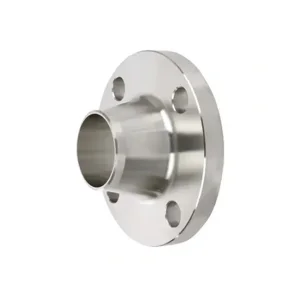
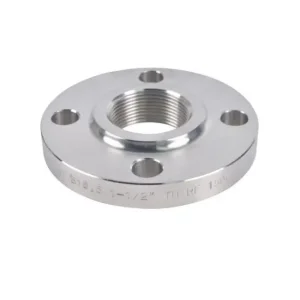
China Custom Weld Neck Flanges EN 1092-1

China Custom Weld Neck Flanges EN 1092-1 | China Factory Suppliers with 30+ Years of Expertise & Certified Quality

View Product Details
Discount China Reducer Flange Suppliers

Discount China Reducer Flange Suppliers | Reliable Factory for Competitive Prices on Reducing Flanges

View Product Details
CNC-Machined Threaded Flanges

Discount CNC-Machined Threaded Flanges from China | ISO Certified Suppliers | Factory Direct Bulk Orders

View Product Details
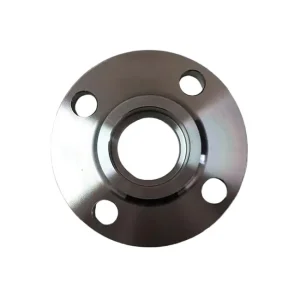
China Socket Weld Flanges

China China Socket Weld Flanges Suppliers | High-Quality Factory Products for Oil & Gas, Chemical, Power Industries

View Product Details
Custom Expansion Joint Flanges

Best Custom Expansion Joint Flanges - High-Quality China Suppliers & Factory for Reliable Piping Solutions

View Product Details
ANSI ASME B16.47 Welding Neck Flanges

Discount China Suppliers of ANSI ASME B16.47 Welding Neck Pipe Flanges – Quality Products from Our Factory

View Product Details
China Custom Expansion Joint Flanges

China Custom Expansion Joint Flanges from China Suppliers - Reliable Factory Solutions for Piping Systems

View Product Details
Best Custom Expansion Joint Flanges Quality Factory

Best Custom Expansion Joint Flanges from China - Reliable Suppliers & Quality Factory Solutions for Piping Systems

View Product Details
Technical FAQs

Frequently Asked Engineering Questions (Q&A)

Expert responses to critical procurement, material selection, and technical installation queries for pipe flange gaskets and forged flanges.

What factors determine whether to specify a soft cut gasket vs. a spiral wound gasket (SWG)?
Soft cut gaskets (such as CNAF, EPDM, or expanded PTFE) are typically specified for low-to-medium pressure applications (ASME Class 150 to Class 300) where operating temperatures remain under 250 °C. For cyclic thermal environments, steam headers, aggressive refinery streams, and high pressures (Class 300 to Class 2500), Spiral Wound Gaskets (SWG) with metallic V-shaped windings and flexible graphite filler are mandated. SWG offers dynamic resilience to recover from flange face movement and pressure surges.
How does YUXIN balance competitive "discount" manufacturer pricing with high material reliability?
Our price efficiency is achieved through industrial cluster advantage and vertical manufacturing integration in Shanxi, China. By controlling raw billet forging, heat treatment, CNC machining, and gasket processing within a single 10,000-ton capacity plant, we eliminate third-party subcontractor margins, reduce material waste via automated nesting, and pass these direct factory cost savings to international buyers without lowering steel or gasket material standards.
Which flange face serration finish is required for non-metallic vs. metallic gaskets?
ASME B16.5 specifies a phonographic or concentric serrated flange facing finish of 125 to 250 micro-inches (3.2 to 6.3 micrometers) AARH/Ra for non-metallic soft gaskets and spiral wound gaskets. This rough serration bites into the soft material to prevent lateral gasket blowout. Conversely, Ring Type Joint (RTJ) gaskets require a smooth ground finish not exceeding 63 micro-inches (1.6 micrometers) Ra to ensure metal-to-metal seating contact.
What documentation and certifications are provided with bulk flange & gasket orders?
Every shipment includes an EN 10204 3.1 Material Test Certificate (3.2 third-party inspection by TÜV, SGS, or Lloyd's available on request). Documentation details chemical heat analysis, mechanical tensile/yield data, Charpy V-notch low-temperature impact values, hardness test sheets, ultrasonic non-destructive testing (UT) reports, and dimensional inspection logs.
Can YUXIN produce non-standard flanges and custom gasket geometries based on customer drawings?
Yes. Beyond standard ASME B16.5, ASME B16.47, EN 1092-1, and DIN flanges, our engineering team manufactures custom tube sheets, large-diameter forged rings (up to 3,000 mm diameter), expansion joint flanges, and bespoke gasket cutouts directly from customer STEP or DWG files.
How do high temperatures impact bolt torque retention and gasket stress?
High operating temperatures induce thermal expansion differentials between steel flange studs and the flange body. Additionally, soft gasket materials experience accelerated creep relaxation. This reduces net compressive load ($m$-factor). To mitigate this, engineers utilize high-grade alloy stud bolts (e.g., ASTM A193 B7/B16), Belleville disc spring washers, and dynamic flexible graphite SWG gaskets to maintain constant sealing pressure.