Factory-direct engineered piping connections manufactured in strict accordance with ISO 9001 and PED 2014/68/EU specifications.
Strategic Procurement, Supply Chain Resilience, and Macroeconomic Dynamics in Industrial Fluid Handling Systems
In modern industrial engineering, the global market for metal flanges represents a foundational pillar supporting critical infrastructure across energy, chemical processing, heavy manufacturing, and maritime transportation. Flanges act as indispensable connection hubs in pressurized piping networks, enabling safe assembly, inspection, and maintenance. As industrial operations scale up to accommodate expanding global energy needs and intricate chemical processes, demand for high-integrity, precision-engineered metal flanges has intensified dramatically.
From an enterprise procurement perspective, sourcing discount metal flanges without compromising structural integrity or material compliance is a complex engineering challenge. B2B buyers, engineering procurement construction (EPC) contractors, and industrial distributors face dynamic pricing pressure driven by raw material fluctuations (carbon steel, stainless steel, and nickel alloys), energy costs, and international trade tariffs. Securing factory-direct wholesale pricing from specialized forging hubs—such as Dingxiang in Shanxi Province, recognized globally as the premier center for forging excellence—allows industrial buyers to lower Total Cost of Ownership (TCO) while adhering strictly to ANSI, ASME, EN, DIN, and JIS standards.
A comprehensive examination of flange geometry, pressure classification, and material selection for high-reliability applications.
Industrial piping components operate under demanding thermomechanical stress. Selecting the appropriate flange configuration requires an in-depth understanding of standard classifications, pressure-temperature ratings, and grain-structure integrity. Below is an engineering analysis of key flange geometries produced across certified forging facilities:
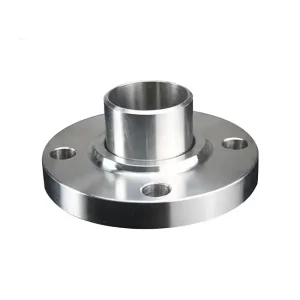
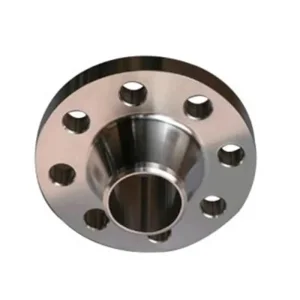
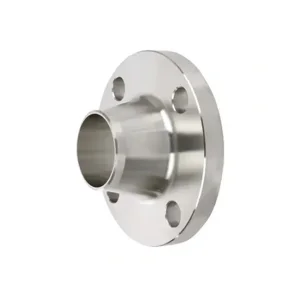
Weld neck flanges feature a long, tapered hub that transfers mechanical stress directly into the connected pipe wall, reducing stress concentration at the flange base. This design is engineered for cyclic loading, extreme pressures (up to Class 2500), and sub-zero or high-temperature environments. Compliance with ASME B16.5 and ASME B16.47 (Series A & B) guarantees precise bore alignment (Schedule 40, 80, 160, XXS) to prevent turbulent fluid flow and localized erosion.
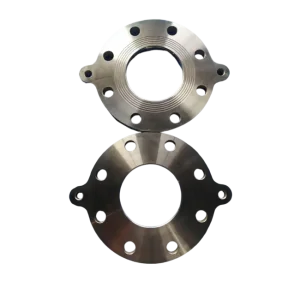
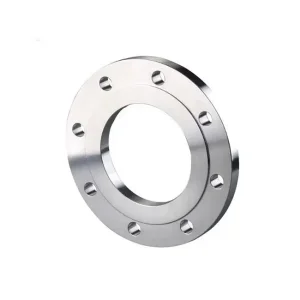
Slip-on flanges slip directly over the pipe exterior and are secured via internal and external fillet welds. Highly popular in utility lines, water treatment facilities, and low-pressure chemical loops, plain and slip-on flanges reduce initial installation alignment times. Manufactured under EN 1092-1 (PN6 to PN40), these flanges balance lower material consumption with robust leak-tight assembly.
Lap joint flanges feature a two-part design incorporating a stub end welded to the pipe and a loose backing flange. The backing flange does not contact the process fluid, permitting cost-effective combinations such as carbon steel backing flanges paired with high-alloy or stainless steel stub ends (e.g., ASTM A182 F316L). This arrangement simplifies bolt hole alignment during rapid system disassemblies.
| Flange Type | Design Standard | Pressure Classes | Facing Options | Primary Industrial Application |
|---|---|---|---|---|
| Weld Neck (WNF) | ASME B16.5 / EN 1092-1 Type 11 | Class 150 – 2500 / PN10 – PN400 | RF, RTJ, FF, TG | Refineries, Offshore Platforms, High-Temp Steam |
| Slip-On (SOF) | ASME B16.5 / EN 1092-1 Type 12 | Class 150 – 1500 / PN6 – PN100 | Raised Face (RF), Flat Face (FF) | Cooling Water, Fire Protection, Low-Pressure Gas |
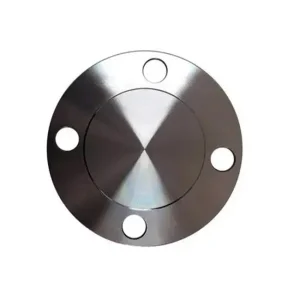
| Blind (BLF) | ASME B16.5 / DIN 2527 | Class 150 – 2500 / PN6 – PN400 | RF, RTJ, Flat Face | Pipeline Termination, Pressure Vessel Manholes |
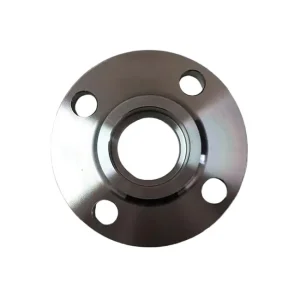
| Socket Weld (SWF) | ASME B16.5 / BS 3293 | Class 150 – 1500 | Raised Face (RF) | Small-Bore High-Pressure Lines (≤ 2 inches) |
| Lap Joint (LJ) | ASME B16.5 / EN 1092-1 Type 02 | Class 150 – 300 / PN10 – PN40 | Flat / Stub End Radius | Corrosive Systems Requiring Frequent Maintenance |
Next-Generation Manufacturing Protocols: AI-Assisted Machining, Green Metallurgy, and Digital Quality Verification
Transitioning from traditional manual lathing to fully automated, multi-axis CNC machining centers. Computer-controlled toolpaths deliver dimensional tolerances within ±0.1mm, ensuring flawless gasket contact and uniform bolt-hole pitch dimensions.
Integration of non-destructive testing (NDT) right on the factory floor, including Phased Array Ultrasonic Testing (PAUT), Magnetic Particle Inspection (MPI), and Positive Material Identification (PMI) using handheld XRF analyzers for 100% material grade verification.
Adopting energy-efficient induction forging furnaces paired with low-VOC anti-corrosion finishes. Options include yellow/black rust-proof varnish, hot-dip galvanizing, organic zinc-rich primers, and high-performance fusion-bonded epoxy (FBE) coatings for underground duty.
Targeted Engineering Configurations Engineered to Withstand Severe Operating Conditions Worldwide
High-concentration Hydrogen Sulfide (H2S) environments require strict resistance to Sulfide Stress Cracking (SSC) and Stress Corrosion Cracking (SCC). Factory Solution: Forged carbon steel flanges meeting NACE MR0175/ISO 15156 standards utilizing heat-treated ASTM A105N or ASTM A350 LF2 materials with controlled hardness levels (≤ 22 HRC) and complete EN 10204 3.1 material test certificates.
Subzero temperatures combined with aggressive saltwater immersion demand exceptional Charpy V-Notch impact values and pitting resistance. Factory Solution: Duplex (UNS S31803 / 2205) and Super Duplex (UNS S32750 / 2507) Ring Type Joint (RTJ) flanges engineered to ASME B16.5 Class 1500 specifications, offering superior mechanical yield strength and long-term marine reliability.
Hydrogen molecules exhibit extremely small atomic radii, making piping systems vulnerable to micro-leakage and hydrogen embrittlement. Factory Solution: High-density forged Austenitic Stainless Steel (ASTM A182 F316L) weld neck flanges featuring ultra-smooth serrated gasket facing (AARH 125–250) and zero porosity, validated through Helium leak detection testing.
Large-diameter municipal piping networks demand cost-effective connections with low installation complexity. Factory Solution: Large-diameter (DN1000 to DN3000) EN 1092-1 PN10/PN16 Slip-On and Blind flanges forged from structural carbon steel (Q235B / A105) featuring protective hot-dip galvanizing for maintenance-free 30-year operational lifespans.
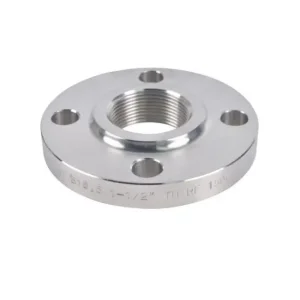
Explore specialized precision forged flanges available for rapid global export and bulk procurement dispatch.
In-Depth Answers from Senior Engineering Officers & Global Logistics Coordinators
