Explore our high-performance forged steel piping products manufactured to ASME B16.5, DIN, and EN 1092-1 standards with full material traceability (EN 10204 3.1/3.2).
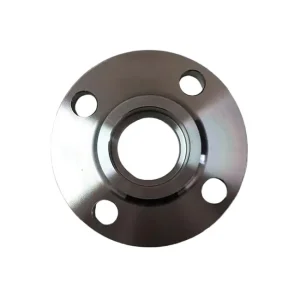
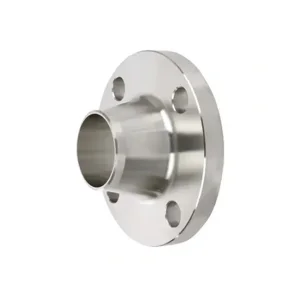
In modern industrial fluid handling, energy infrastructure, and chemical processing networks, the search query "Discount Flange Pipe Blind Product & Products" represents a critical intersection between capital expenditure optimization (CapEx) and uncompromised pressure containment integrity. Procurement officers, piping stress engineers, and EPC contract managers frequently search for cost-effective blind flange solutions without sacrificing metallurgical certification, dimensional tolerances, or safety compliance under international codes such as ASME B16.5, ASME B16.47, EN 1092-1, and DIN.
However, from a semantic search and quality evaluation standpoint, the term "discount" in heavy industrial forging does not signify cheap material or compromised quality control. Instead, it reflects optimized manufacturing efficiency, scale economics, direct factory-to-site supply chain routing, and advanced material yield maximization. A genuine industrial blind flange (or pipe blind) acts as a solid pressure barrier across pipeline terminations, valve isolation points, and pressure vessel nozzles. Operating under high hydrostatic and thermal stresses, these components must withstand internal pressures ranging from Class 150 up to Class 2500 (or PN6 to PN400 in European designation).
Realizing authentic commercial savings on blind flange products requires evaluating Total Cost of Ownership (TCO). True cost reduction stems from forging grain structure control, reducing machining cycles via precision closed-die forging, and eliminating field failure risks through 100% Non-Destructive Testing (NDT) rather than purchasing non-certified surplus stock.
Analyzing global supply chains, material trends, and energy transition demands driving blind flange procurement across major global hubs.
Blind flanges (ANSI B16.5 Class 300 to 2500) serve as critical pressure boundaries in high-pressure manifolds, Christmas trees, and crude transmission lines. In sour gas environments (H2S), products must strictly comply with NACE MR0175 / ISO 15156 standards to mitigate Hydrogen-Induced Cracking (HIC) and Sulfide Stress Cracking (SSC).
Continuous chemical processing loops demand blind flanges made from high-temperature alloy steels (ASTM A182 F11, F22, F91) and corrosion-resistant duplex stainless steels (UNS S31803 / S32205). Thermal cycling and aggressive acidic media necessitate precise gasket surface finishes, typically 125–250 µin AARH smooth concentric serration.
As green hydrogen projects expand worldwide, blind flanges are subjected to ultra-small molecular leakage challenges. Advanced high-density forged blind flanges with precision CNC-machined Ring Type Joint (RTJ) grooves ensure zero fugitive emissions, aiding zero-carbon targets across Europe and North America.
The global forged flange supply network has undergone massive realignment over the last decade. Historically, Western EPC buyers relied on regional forging shops with higher overheads. Today, Shanxi province—recognized globally as the premier industrial forging hub of China—produces over 40% of the world's exported steel flanges. By integrating raw billet sourcing, hydraulic open-die forging, automated ring rolling, continuous heat-treatment furnaces, and high-precision CNC machining within a single geographic radius, Shanxi manufacturers offer unmatched economies of scale. This supply chain consolidation is the primary driver behind genuine discount pricing without compromising technical integrity or regulatory compliance.
Comparative technical analysis of forged steel materials utilized in heavy-duty pipe blind manufacturing.
| Material Specification | Material Class / Grade | Nominal Composition | Tensile Strength (MPa) | Yield Strength (MPa) | Primary Industrial Application |
|---|---|---|---|---|---|
| ASTM A105 | Carbon Steel | Fe-C (C ≤ 0.35%, Mn 0.60-1.05%) | ≥ 485 | ≥ 250 | Ambient & High Temp Pressure Systems (Class 150-1500) |
| ASTM A350 LF2 | Low-Temp Carbon Steel | Fe-C-Mn (Charpy V-Notch at -46°C) | 485 - 655 | ≥ 250 | Cryogenic Gas Handling, Arctic Operations & LNG Terminals |
| ASTM A182 F304 / F304L | Austenitic Stainless | 18Cr - 8Ni (Dual Certified) | ≥ 485 (F304) / ≥ 415 (F304L) | ≥ 205 / ≥ 170 | Food & Beverage, General Chemical, Nitric Acid Handling |
| ASTM A182 F316 / F316L | Austenitic Stainless | 16Cr - 10Ni - 2.5Mo | ≥ 485 / ≥ 415 | ≥ 205 / ≥ 170 | Marine Environment, Offshore Platforms, Acidic Media |
| ASTM A182 F51 / F53 | Duplex / Super Duplex | 22Cr - 5Ni - 3Mo - N / 25Cr - 7Ni | ≥ 655 / ≥ 750 | ≥ 450 / ≥ 550 | High Chloride Environments, Desalination, Subsea Manifolds |
| ASTM A182 F11 / F22 | Low Alloy Steel | 1.25Cr-0.5Mo / 2.25Cr-1Mo | ≥ 415 / ≥ 515 | ≥ 205 / ≥ 275 | Power Generation Steam Lines, Thermal Cracking Units |
A fundamental factor influencing pipe blind longevity under pressure pulsations is the internal grain flow. Low-cost cast blinds often suffer from internal porosity, shrinkage cavities, and micro-segregation. In contrast, forged pipe blinds undergo heavy plastic deformation under high-tonnage forging presses (e.g., 2,500T to 6,300T hydraulic presses). This process aligns the crystalline grain structure continuously along the circumferential contour of the blind flange, drastically improving impact energy resistance, fatigue limits, and resistance to thermal shock.
Meeting non-negotiable regulatory standards for international project execution and site-level integration.
Exporting pipe blind products to the EU requires compliance with the Pressure Equipment Directive (PED). Manufacturers must maintain audited quality assurance under Module H or Module H1, certified by notified bodies like TÜV Rheinland. Material certification must conform strictly to EN 10204 Type 3.1 (or Type 3.2 independent third-party witness by Lloyd's Register or DNV GL), proving chemical melt heat analysis and mechanical impact testing at specified sub-zero temperatures.
For installations in the United States and Canada, blind flanges must comply with ASME Boiler and Pressure Vessel Code (BPVC) Section VIII Division 1 and ASME B16.5 / B16.47 dimensioning. Canadian provinces require a valid Canadian Registration Number (CRN) for pressure component installation. Standard raised-face (RF) blinds feature stock finish concentric serrations (125 to 250 micro-inches) ensuring proper seating of spiral wound gaskets (SWG).
High-temperature, high-pressure (HTHP) desert oilfields require specialized coating solutions to resist atmospheric salt spray and severe sandstorm erosion. Pipe blind products undergo double-layer epoxy powder coating, thermal spray aluminum (TSA), or yellow rust-preventive varnish treatment. Fastener hole pitch diameter (PCD) and bolt hole squareness tolerances are held within ±0.5 mm to allow rapid hot-bolting during plant turnarounds.
Mining and slurry transport systems in Australia and Indonesia utilize heavy-duty thick-wall blind plates for pump station isolation. Products are dual-certified to meet JIS 10K/20K and AS4087 PN16/PN35 pressure classes, incorporating customized heavy tap bosses for pressure sensor gauge fitting and relief valve connections.
How Shanxi Yuxin Casting & Forging ensures zero defect output across every production batch.
100% Optical Emission Spectrometry (OES) verification on incoming steel billets to ensure exact chemical heat ratios before sawing.
Heating steel to 1200°C followed by high-tonnage forging to guarantee dense internal grain refinement and eliminate internal voids.
Normalizing, tempering, or solution annealing in automated furnaces to achieve optimal mechanical yield and impact resistance.
High-precision turning of flange face, gasket grooves (RTJ), outer diameter, and drilling bolt holes with tight tolerances.
Ultrasonic Testing (UT) per ASTM A388 to detect internal flaws; Magnetic Particle (MT) or Dye Penetrant (PT) for surface integrity.
3D Coordinate Measuring Arm checks on flange thickness, bolt hole pitch, gasket groove angle, and overall parallelism.
Pioneering advancements in digital material passports, IoT strain monitoring, and zero-emission hydrogen containment.
Integration of piezoresistive strain sensors and wireless micro-transmitters within heavy blind flange tap ports. Maintenance teams receive real-time updates regarding bolt tension decay, flange deflection, and gasket stress degradation prior to leak occurrence.
Moving beyond physical paper certificates. Future flange products carry laser-etched QR codes linking to immutable blockchain ledgers detailing exact heat chemistry, NDT radiographs, forging furnace temperature curves, and customs certificates.
Laser Cladding and 3D wire-arc additive manufacturing (WAAM) allow depositing thin layers of Inconel 625 or Hastelloy C276 over low-cost A105 carbon steel blind flanges. This achieves premium nickel-alloy corrosion resistance at a fraction of solid alloy costs.
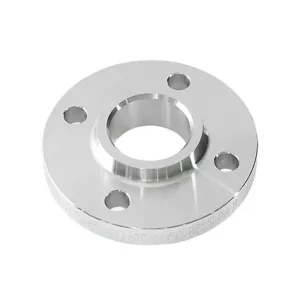
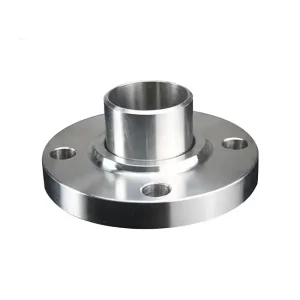
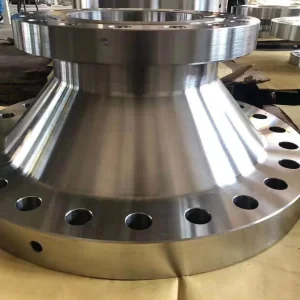
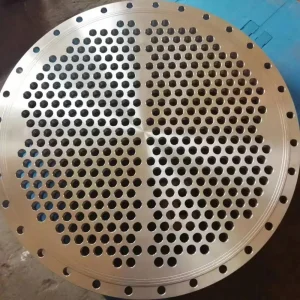
Review our extended series of custom tube sheets, RTJ ring flanges, reducer flanges, and CNC machined blind flanges.
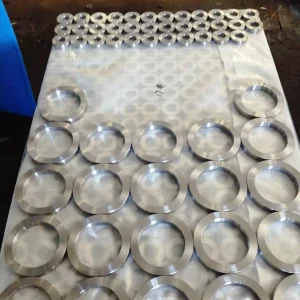
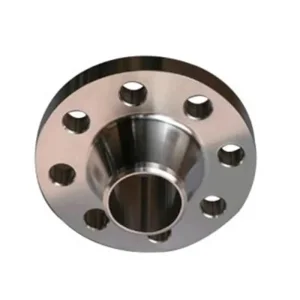
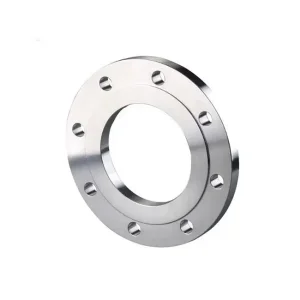
33 Years of Dedicated Forging Innovation in China's World-Renowned Hometown of Forging.
Founded in 1992 in the Zhuangli Enclave Industrial Zone of Dingxiang County, Shanxi Province, Shanxi Yuxin Casting & Forging Co., Ltd. operates as a true direct forge mill—not a trading desk or intermediary broker. Spanning an annual production output exceeding 10,000 tons of finished flanges and 2,000 tons of custom forged components, YUXIN has established long-term strategic supply agreements with global leaders including Samsung, Van Leeuwen Pipe and Tube Group, and China National Petroleum Corporation (CNPC).
Operating under the core philosophy of “High starting point, high investment, and high quality,” our facility houses integrated die production, 6,300-ton hydraulic forging presses, automated heat-treatment lines, and fully automated CNC turning centers. Every flange leaving our loading bay bears a permanent heat-number stamp directly matching its EN 10204 3.1 Mill Test Certificate.
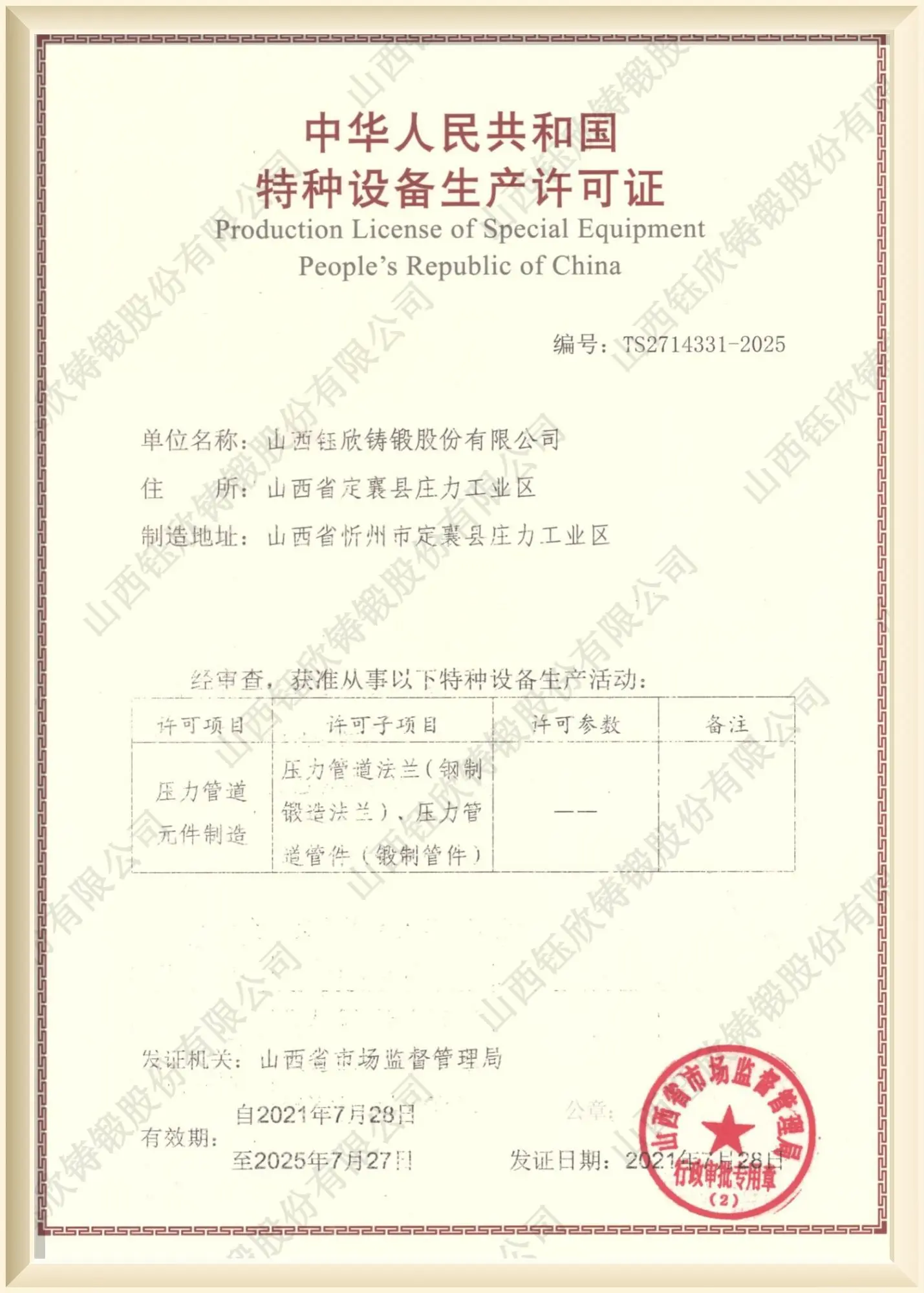
Audited Quality Management
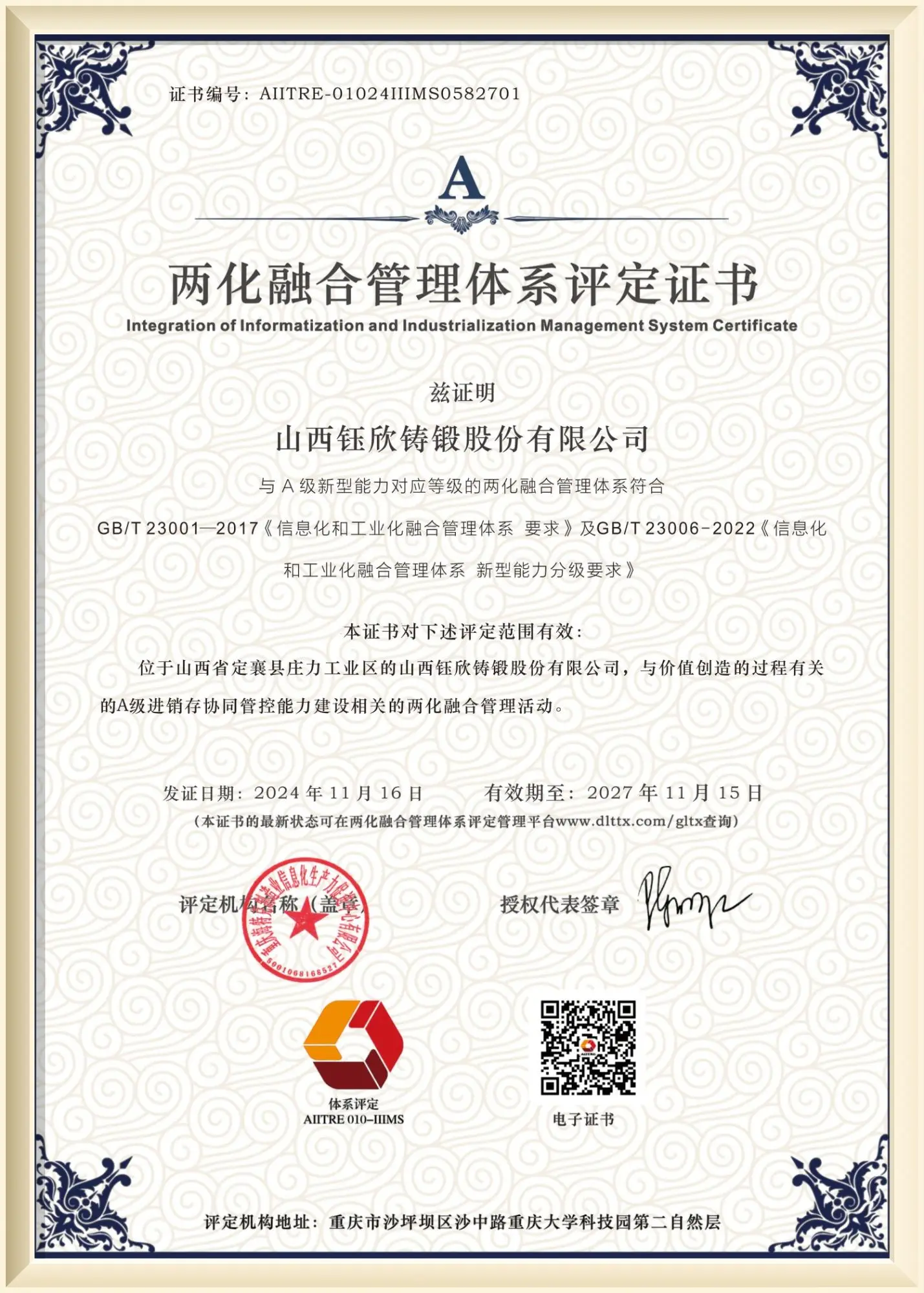
TÜV Rheinland Conformity
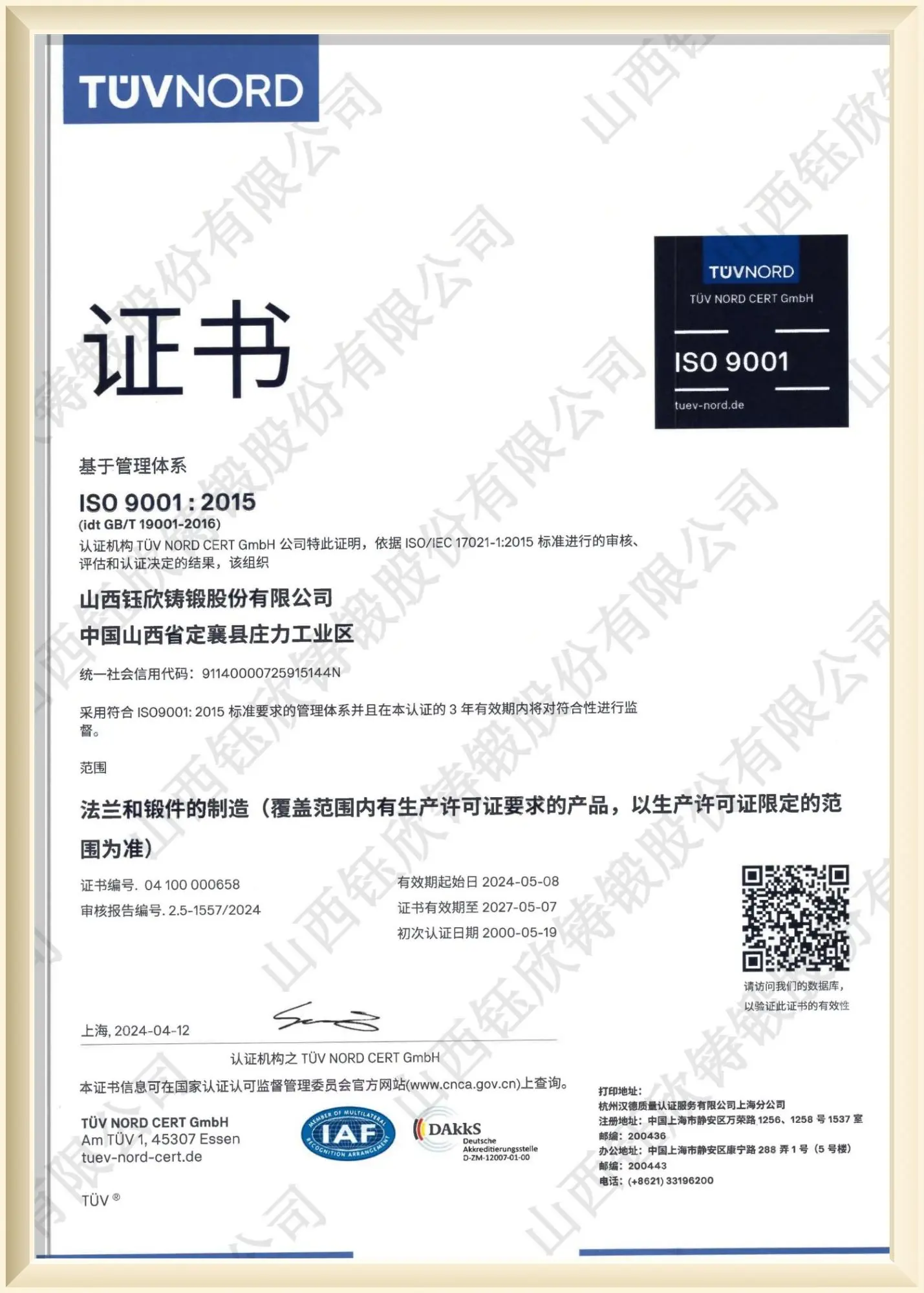
German Pressure Vessel Standard
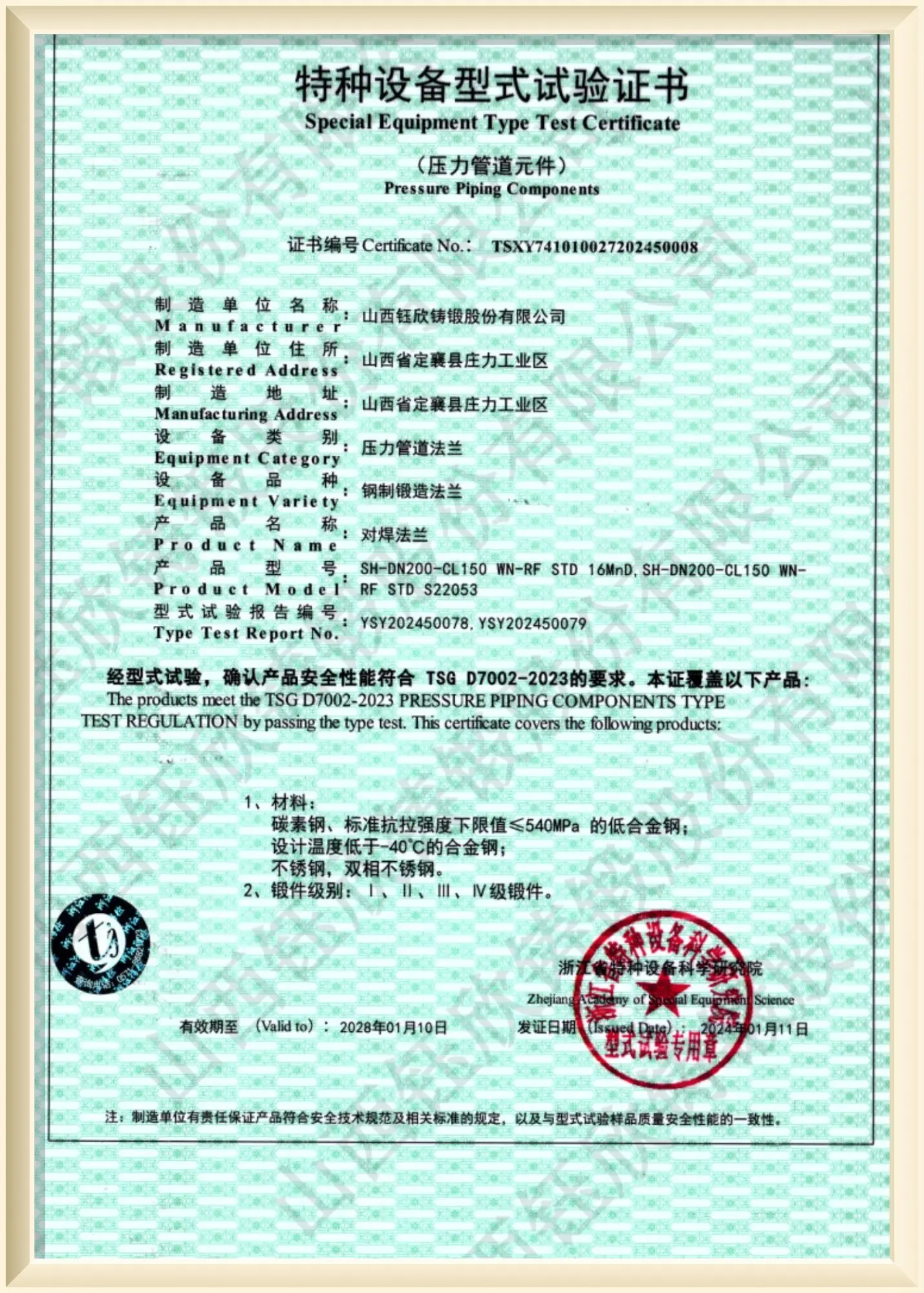
Provincial Engineering Recognition
Direct technical answers addressing international standards, material selection, testing routines, and commercial terms.
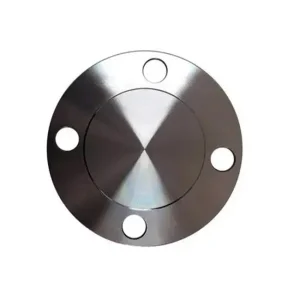
A Pipe Blind Flange (or blind flange) is a solid forged disk designed to seal the terminal end of a piping system, pressure vessel nozzle, or valve station. Unlike Slip-On or Weld Neck flanges, a blind flange contains no center bore. It experiences the highest bending stress of any flange type due to internal fluid pressure pushing directly against its inner face. Consequently, wall thickness and material yield strength must strictly conform to ASME B16.5 / B16.47 stress calculation tables.
Authentic discount pricing is achieved by eliminating commercial trading agents and procuring directly from integrated forging mills like YUXIN in Shanxi. By leveraging high-efficiency ring rolling mills, optimized die design that reduces raw material scrap by up to 15%, and direct container consolidation, unit production costs drop significantly while retaining 100% compliance with ISO 9001 and PED 2014/68/EU quality standards.
We manufacture forged blind flanges across all international standards: ASME B16.5 (sizes ½" to 24", Class 150 to 2500), ASME B16.47 Series A & B (sizes 26" to 60", Class 75 to 900), EN 1092-1 Type 05 (DN10 to DN3000, PN6 to PN400), DIN standards (DIN 2527 blind flanges), JIS B2220, and BS 4504. Non-standard dimensions are custom-machined directly from client engineering drawings.
Every shipment is accompanied by a complete quality verification dossier including an EN 10204 Type 3.1 Mill Test Certificate (MTC). This documents heat chemical composition (OES analysis), mechanical tensile and yield tests, Charpy V-notch impact test values at sub-zero temperatures (for LF2/F316L), hardness test results (HBW/HRC), 100% Ultrasonic Testing (UT) reports, NACE MR0175 compliance declarations, and visual dimensional inspection sheets.
We supply multiple facing finishes: Raised Face (RF) with standard stock finish (125–250 µin AARH spiral or concentric serration) for spiral wound gaskets; Flat Face (FF) for low-pressure cast iron or bronze mating equipment; Ring Type Joint (RTJ) with precision CNC Octagonal or Oval grooves (R, RX, BX series) for extreme high-pressure oil/gas lines; and Male-Female / Tongue-and-Groove custom configurations.
Standard inventory forged blanks ship within 7 to 15 days following final machining. Custom forged-to-order projects require 20 to 35 days. To prevent atmospheric salt corrosion during transit, all machined flange faces receive anti-rust vanish or light oil coating, plastic end caps protect sealing faces, and flanges are securely packed inside ISPM 15 compliant fumigation-free solid plywood crates reinforced with heavy steel strapping.
