+86-350-6071768 [email protected] Dingxiang, Shanxi, China · Forging since 1992
Industrial Metallurgy & Precision Forging Whitepaper

China Stainless Steel Lap Joint Flange Manufacturer & Products

Comprehensive Technical Guide on ASME B16.5 & EN 1092-1 Type 02 Loose Flanges: Metallurgical Engineering, Cost-Optimized Procurement Solutions, and China Supply Chain Capability.

Catalog Showcase

Featured Stainless Steel & Custom Forged Flanges

Explore our precision-machined lap joint stub ends, weld neck, blind, and expansion joint flanges engineered for pressure-critical piping installations.
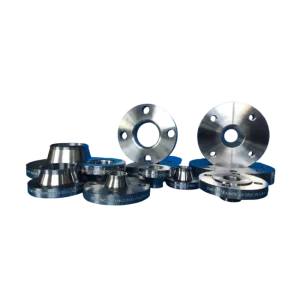
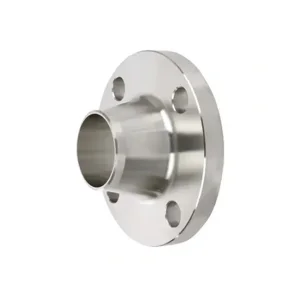
China Custom Stub End Flanges from China
China Custom Stub End Flanges from China | Reliable Suppliers & Factory for Any Size and Material
View Details
Discount Custom Weld Neck Flanges EN 1092-1
Discount Custom Weld Neck Flanges EN 1092-1 | China Suppliers & Factory with 30+ Years Expertise
View Details
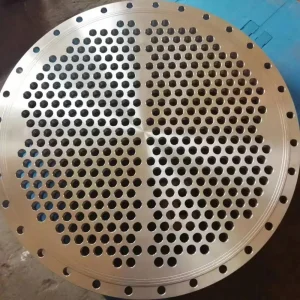
China Custom Tube Sheets from China Factory
China Custom Tube Sheets from China Factory | OEM Support | Reliable Suppliers for Any Size/Material
View Details
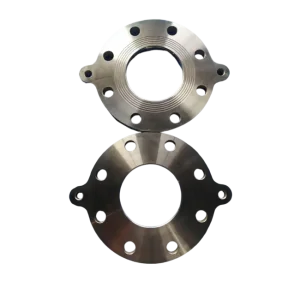
China Custom Expansion Joint Flanges
China Custom Expansion Joint Flanges - Reliable Factory Solutions for Piping Systems
View Details
Best Custom Weld Neck Flanges EN 1092-1
Best Custom Weld Neck Flanges EN 1092-1 | Quality China Suppliers & Factory
View Details
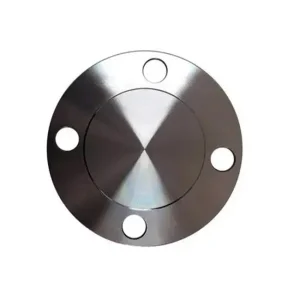
Best China CNC-Machined Blind Flanges ASTM A105
Best China CNC-Machined Blind Flanges | ASTM A105 | Bulk Factory Discounts
View Details
Best Custom Expansion Joint Flanges from China
Best Custom Expansion Joint Flanges - Reliable Factory Manufacturing
View Details
Best Custom Weld Neck Flanges EN 1092-1 ISO Certified
Best Custom Weld Neck Flanges EN 1092-1 | High-Quality ISO Certified Factory
View Details
Metallurgical Whitepaper

1. Structural Mechanics & Engineering Fundamentals of Lap Joint Flanges

An in-depth analysis of loose flange assemblies, stub end interaction dynamics, load distribution, and mechanical displacement optimization.

In modern industrial piping engineering, the Stainless Steel Lap Joint Flange (frequently designated as a Loose Flange or backing flange) represents a unique, cost-effective structural configuration. Unlike integral flange types such as Weld Neck (WN) or Slip-On (SO) flanges, a lap joint connection is a two-component assembly consisting of a Lap Joint Stub End (which is butt-welded directly to the process pipe) and a Loose Backing Lap Joint Flange that slides freely over the pipe sleeve before the stub end is welded into place.

The operational mechanism relies entirely on surface contact pressure between the back face of the stub end lap and the internal machined radius of the backing flange. When bolt torque is applied, axial tension pulls the backing flange firmly against the stub end hub, compressing the gasket situated between the matching stub end face and the mating vessel or pipe component. This structural segregation yields critical engineering advantages:

  • Rotational Independence & Simplified Bolt Hole Alignment: Because the outer backing flange is not physically welded to the pipe wall, it retains 360-degree rotational freedom. Field assembly teams can rotate the backing flange effortlessly to align bolt holes with existing pumps, valves, or heat exchangers. This completely eliminates rotational alignment stress during field tie-ins.
  • Bimetallic Cost Optimization: In systems conveying highly corrosive chemicals (such as nitric acid, wet chlorine, or high-salinity seawater), only the wetted stub end must be forged from high-grade stainless steel (e.g., AISI 316L, 904L, or Duplex 2205). The outer backing flange, which never comes into direct contact with the internal process fluid, can be manufactured from carbon steel (e.g., ASTM A105) or lower-cost stainless grades, slashing material procurement costs by 30% to 50%.
  • Simplified Maintenance & Inspection: Piping networks subject to frequent disassembly, cleaning, or periodic wall-thickness inspection (such as food/beverage and pharmaceutical transfer lines) benefit immensely. Removing the bolting allows rapid retraction of the flange ring without cutting welded joints.
30-50%
Material Cost Savings
40%
Faster Field Installation
100%
Zero Fluid Contact Ring
PN6-PN40
Pressure Compatibility

Comparative Flange Mechanics: Lap Joint vs. Alternative Types

Feature / Parameter Lap Joint Assembly (LJ + Stub End) Weld Neck Flange (WN) Slip-On Flange (SO)
Primary Joint Connection Butt-weld on stub end; backing flange is loose High-taper butt-weld to pipe end Double fillet weld (internal & external)
Bolt Alignment Freedom 360° Free Rotation Fixed upon welding completion Fixed upon initial fillet tacking
Corrosive Fluid Isolation Fluid contacts stub end only Fluid contacts full flange hub & face Fluid contacts inner bore & face
Stress Concentration Point Fillet radius of stub end lap corner Gradual taper hub distributes stress Fillet weld toes at pipe neck
Bimetallic Construction Supported (e.g., CS Flange + SS Stub End) Not practical (Full alloy required) Not practical (Full alloy required)
Fatigue Resistance Moderate (10% of WN life under fatigue) High (Superior under cyclic bending) Low (33% of WN rating under fatigue)
Material Science

2. Stainless Steel Metallurgy & Dimensional Standard Compliance

Chemical composition engineering, phase balance control, and global manufacturing norm alignment for critical pipeline integrity.

Selecting the optimal stainless steel alloy grade for lap joint flanges requires balancing mechanical yield strength, pitting resistance, intergranular corrosion susceptibility, and thermal expansion factors. As a premier Chinese manufacturer, Shanxi Yuxin Casting & Forging Co., Ltd. processes premium-grade electric-arc-furnace (EAF) refined steel to execute full solution annealing and precise machining.

Austenitic Grades (304/304L, 316/316L)

ASTM A182 F304/304L (UNS S30403) and F316/316L (UNS S31603) are the industry workhorses. Featuring low carbon content (C ≤ 0.030%), these grades prevent chromium carbide precipitation at grain boundaries during welding, ensuring excellent resistance to intergranular corrosion per ASTM A262 Practice E.

Super Austenitic (904L / UNS N08904)

Formulated with high nickel (23-28%) and molybdenum (4.0-5.0%) plus copper additions (1.0-2.0%), 904L provides extraordinary immunity to stress corrosion cracking and pitting in concentrated phosphoric, sulfuric, and organic acid environments.

Duplex & Super Duplex (2205 / 2507)

Duplex stainless steels (UNS S31803 / S32205) feature a dual-phase microstructure consisting of approximately 50% ferrite and 50% austenite. They deliver twice the yield strength of conventional austenitic steels and a Pitting Resistance Equivalent Number (PREN) ≥ 34 (PREN ≥ 42 for Super Duplex 2507), ideal for offshore marine brine.

Dimensional Standards & Facing Tolerances

Shanxi Yuxin manufactures stainless steel lap joint flanges and matching stub ends in total alignment with major international codes:

  • ASME B16.5 (NPS 1/2" to 24", Class 150 to 2500): Specifies dimensions, pressure-temperature ratings, materials, tolerances, marking, and testing for cast and forged flanges. Lap joint backing flanges require a specific internal radius ($r$) at the back face to match the radius of the stub end lap hub.
  • EN 1092-1 Type 02 (PN6 to PN40): The European standard for loose plate flanges intended for use with Type 32 (weld-on collar with neck) or Type 33 (lapped pipe end). Radius conformity and bore tolerances are strictly inspected to ensure flush seating.
  • DIN 2641 & DIN 2642: Legacy German standards specifying loose flanges for nominal pressure ratings PN6 and PN10, widely used across European industrial maintenance sectors.
Supply Chain Excellence

3. China Factory Forging Advantage & Supply Chain Resilience

Why Chinese manufacturing clusters lead global flange export markets: Raw material integration, advanced ring rolling, and scalable throughput.

Located in Dingxiang County, Shanxi Province—globally acknowledged as the “Hometown of Forging in China”—Shanxi Yuxin Casting & Forging Co., Ltd. sits at the heart of the world’s most integrated metallurgical industrial ecosystem. Dingxiang hosts an unparalleled concentration of raw material stockists, specialized forging press manufacturers, heat-treatment facilities, and certified testing laboratories.

Full In-House Process Control

Unlike trading desks or assemblers, YUXIN controls every manufacturing phase on-site. From billet cutting, medium-frequency induction heating, and hydraulic closed-die forging to automated CNC ring rolling, heat treatment (solution annealing / quenching), CNC precision turning, and hydraulic bolt-hole drilling. This eliminates intermediary markups and guarantees heat-number traceability across all steps.

Direct Steel Mill Integration & Cost Efficiency

We maintain direct strategic procurement agreements with China’s top steel producers, including TISCO (Taiyuan Iron & Steel Group) and Baosteel. Buying raw stainless steel bar stock in high-volume master batches ensures consistent chemical purity, superior grain flow refinement, and immunity to international spot market price volatility.

Forged Flange vs. Plate Cut Flange Metallurgy

A critical consideration for engineering procurement managers is the structural distinction between forged flanges and plate-cut alternatives. Plate-cut flanges, while cheap, suffer from directional grain orientation and potential micro-delamination along the rolled plate thickness. In contrast, YUXIN's closed-die forging and ring-rolling process realigns the internal steel grain structure continuously along the circumferential contours of the flange ring. This results in far superior impact strength, elevated yield strength under pressure, and total freedom from internal void defects.

Strategic Sourcing

4. Global Enterprise Procurement Needs & Total Cost of Ownership (TCO)

Evaluating long-term CAPEX/OPEX savings, bimetallic configurations, and international freight risk management.

For international EPC (Engineering, Procurement, and Construction) contractors, plant maintenance directors, and industrial stockists, flange procurement is not simply a matter of unit price per piece. Achieving optimal Total Cost of Ownership (TCO) requires evaluating raw material utilization, field assembly efficiency, transport risks, and maintenance durability.

The Bimetallic Procurement Advantage

When engineering high-alloy piping infrastructure (e.g., Hastelloy, Inconel, 904L, or 316L), employing solid Weld Neck or Slip-On flanges forces the buyer to purchase heavy masses of high-cost alloy steel for the non-wetted flange hub and ring body. The Lap Joint flange system completely disrupts this financial strain:

Piping Specification Solid Alloy Flange Cost (10" Class 300) Lap Joint Assembly Cost (10" Class 300) Net Financial Savings
AISI 316L Stainless Steel 100% Base Cost Index 62% (SS Stub + CS Flange) 38% Savings
Duplex 2205 (UNS S31803) 100% Base Cost Index 54% (Duplex Stub + CS Flange) 46% Savings
Super Austenitic 904L 100% Base Cost Index 48% (904L Stub + CS Flange) 52% Savings

Global Shipping Risk Mitigation & Seaworthy Packaging

Long-distance oceanic logistics can expose metal components to severe humidity, marine atmosphere corrosion, and mechanical impact. YUXIN mitigates export risks through rigorous packing standards:

  • VCI Anti-Rust Coating: All carbon steel backing flanges receive an environmentally friendly anti-rust varnish or clear oil coating. Stainless components undergo chemical passivation and VCI (Vapor Corrosion Inhibitor) film wrapping.
  • Fumigation-Free Plywood Crates: Flanges are securely stacked on ISPM-15 compliant hardwood/plywood pallets or enclosed in heavy-duty plywood cases reinforced with steel strapping to prevent movement during sea transport.
  • Flange Face Protection: Plastic protective caps or wooden face covers are bolted over critical flange faces to prevent mechanical scratches on the serrated gasket contact surfaces.
Quality & Compliance

5. Localization Support & International Regulatory Quality Assurance

Rigorous non-destructive testing, heat-number traceability, and global pressure vessel certification compliance.

To ensure smooth project integration and compliance with local municipal and industrial safety legislation, Shanxi Yuxin Casting & Forging Co., Ltd. operates under a comprehensive Quality Management System audited and accredited by leading international registrar bodies.

EU PED 2014/68/EU & AD2000 W0

Certified by TÜV Rheinland for compliance with the Pressure Equipment Directive (PED 2014/68/EU Annex I, Section 4.3) and German AD 2000-Merkblatt W0. Our flanges are legally approved for integration into European pressure vessels, boilers, and high-pressure chemical units.

NACE MR0175 / ISO 15156 Sour Service

For upstream oil & gas and geothermal applications containing hydrogen sulfide ($H_2S$), our stainless steel and duplex lap joint stub ends undergo hardness testing (max 22 HRC) and microstructural checks to satisfy NACE MR0175 requirements for sulfide stress cracking resistance.

EN 10204 3.1 & 3.2 Material Traceability

Every shipment is accompanied by a comprehensive EN 10204 3.1 Mill Test Certificate (MTC) detailing raw material heat number, chemical ladle analysis, mechanical yield/tensile strength, elongation, Charpy impact values at cryogenic temperatures, and NDT test reports. Third-party inspection (EN 10204 3.2) by SGS, TÜV, or Lloyd’s Register is available upon request.

Quality Control Inspection Matrix

Prior to dispatch, 100% of manufactured lap joint flanges pass through our standardized Quality Control Gateways:

  • Positive Material Identification (PMI): X-ray fluorescence (XRF) analyzers verify element concentrations (Cr, Ni, Mo, Mn, Cu) on every individual stub end and flange ring.
  • Dimensional & Radius Verification: Precision coordinate measuring machines (CMM) and custom radius gauges inspect bore diameter, flange thickness, bolt hole pitch circle diameter (PCD), and stub end lap corner fillet radius.
  • Ultrasonic Testing (UT) & Dye Penetrant Inspection (PT): UT per ASTM A388 checks for internal forging flaws, while PT per ASTM E165 checks stub end lap weld bevels and radius zones for surface micro-fissures.
Industry Applications

6. Global Application Scenarios & Regional Project Implementations

Where YUXIN stainless steel lap joint flanges deliver operating reliability across diverse international sectors.

Middle East Seawater Desalination Plants

In high-salinity Reverse Osmosis (RO) plants across Saudi Arabia and the UAE, high-pressure brine headers experience aggressive chloride pitting. YUXIN supplied Super Duplex 2507 lap joint stub ends paired with coated carbon steel backing flanges. This saved the project over $420,000 in material costs while ensuring 30-year design life resistance against seawater corrosion.

European Chemical Processing & Fine Synthesis

Chemical batch reactors in Germany and the Netherlands require frequent dismantling of glass-lined and stainless steel pipe spools for steam sterilization and product cleanouts. Utilizing EN 1092-1 Type 02 loose flanges allowed alignment technicians to connect pipe runs up to 60% faster, drastically minimizing plant shutdown downtime.

North American Bio-Pharmaceutical Systems

Ultra-pure water (WFI) and sanitary bio-processing loops in North America demand ultra-smooth internal finishes. YUXIN produced ASME B16.5 AISI 316L lap joint stub ends mechanically polished and electro-polished to Ra < 0.38 μm (15 μin), eliminating entrapment sites for bacterial growth.

Southeast Asian Offshore FPSO Platforms

Topside modules on FPSO (Floating Production Storage and Offloading) vessels face structural twisting caused by ocean swell motion. High-strength forged AISI 321 and Duplex lap joint connections provided localized mechanical flexing without subjecting pipe welds to high fatigue stress.

Industry 4.0 Vision

7. Future Trends: Smart Piping, Green Metallurgy & Automated Machining

Technological innovations transforming stainless steel flange manufacturing over the next decade.

The industrial flange manufacturing landscape is undergoing rapid technological evolution driven by digital transformation, carbon footprint regulations, and automated quality control imperative:

  • Smart Flange Integration (RFID & NFC Tagging): YUXIN is pioneering the integration of flush-mounted RFID transponders embedded into the rim of industrial backing flanges. Field engineers can scan flanges with a handheld smartphone to instantly pull up EN 10204 3.1 MTC data, installation torque specs, pressure ratings, and maintenance history via cloud infrastructure.
  • Green Metallurgy & Low-Carbon Steelmaking: To support European CBAM (Carbon Border Adjustment Mechanism) standards, our supply chain is shifting towards scrap-based Electric Arc Furnace (EAF) smelting powered by solar and wind microgrids, reducing embedded carbon per ton of finished forged flange by up to 35%.
  • Robotics-Assisted 5-Axis Precision Machining: Implementing automated robotic arm loading for CNC turning centers ensures sub-millimeter dimensional consistency across high-volume OEM orders, reducing cycle times and eliminating human positioning error.
Knowledge Base

8. Frequently Asked Questions (FAQ)

Expert engineering answers to common procurement, material selection, and installation queries.

Q1: Can I pair a carbon steel loose flange with a stainless steel lap joint stub end?
Yes, absolutely. This is one of the primary commercial advantages of the lap joint flange design. Because the outer loose backing flange never comes into contact with the process fluid inside the pipe, it can be manufactured from carbon steel (e.g., ASTM A105 or Q235B) while the wetted stub end is forged from stainless steel (e.g., 304L, 316L, or Duplex 2205). This yields massive savings in material costs.
Q2: What is the main difference between ASME B16.5 Lap Joint Flanges and EN 1092-1 Type 02 Flanges?
While both serve the same structural function as loose backing flanges, ASME B16.5 governs imperial sizes (NPS 1/2" to 24") and pressure classes (Class 150 to 2500) primarily used in North and South America. EN 1092-1 Type 02 governs metric dimensions (DN10 to DN2000) and pressure ratings (PN6 to PN100) used across Europe and Asia. Tolerances, bolt hole diameters, and fillet radii differ slightly between the two standards, so components must match the exact piping standard specified.
Q3: Why is the internal radius ($r$) on a lap joint backing flange so critical?
The internal bore edge of a lap joint backing flange features a machined radius designed to sit flush against the mating fillet radius of the stub end hub. If the flange radius is too small or improperly machined, the flange will ride up on the stub end fillet, causing severe point-loading, bolt bending, and gasket leakage. YUXIN checks 100% of flange radii with precision radius gauges to ensure perfect flush mating.
Q4: What pressure ratings are suitable for stainless steel lap joint flanges?
Lap joint flanges are commonly specified for low-to-medium pressure applications (ASME Class 150 and Class 300, or EN PN6 to PN40). While higher pressure ratings (Class 600 and Class 900) exist, Weld Neck flanges are generally preferred for extreme cyclic high-pressure applications because of their superior fatigue resistance.
Q5: How do I select the right gasket surface finish for a stainless steel lap joint stub end?
Per ASME B16.5, standard raised faces on lap joint stub ends feature a serrated spiral or concentric finish of 125 to 250 μin AARH (Ra 3.2 to 6.3 μm), ideal for standard graphite or soft composite gaskets. For high-purity or hygienic applications, a smooth machine finish (Ra < 1.6 μm) or electro-polished finish is provided to suit solid PTFE or elastomeric gaskets.
Q6: What is the typical lead time for custom stainless steel lap joint flange orders from China?
Standard size forged blanks (1/2" to 12") held in stock can be CNC machined, passivated, inspected, and packed within 7 to 14 days. Custom forged-to-drawing flanges or exotic alloy grades (e.g., 904L, Super Duplex, Hastelloy) typically require 20 to 35 days depending on raw material billet procurement and specialized heat treatment cycles.
Q7: How does solution annealing affect the performance of stainless steel lap joint flanges?
During hot forging and welding, chromium carbides can precipitate at the grain boundaries of stainless steel (sensitizing the metal between 450°C and 850°C), making it vulnerable to intergranular corrosion. Solution annealing heating to 1040°C–1150°C followed by rapid water quenching dissolves these carbides back into the solid matrix, restoring 100% of the steel's native corrosion resistance.
Q8: Can Shanxi Yuxin manufacture non-standard lap joint flanges based on buyer CAD drawings?
Yes. Our engineering department specializes in custom OEM manufacturing. We accept STEP, DWG, PDF, and DXF files to produce non-standard diameters up to 3,000 mm (120 inches), custom bolt circle patterns, modified hub heights, and specialized cladding options.
Extended Lineup

Explore Additional Forged Component Offerings

Complete your piping assembly requirements with our certified line of plain, slip-on, blind, and ring flanges.
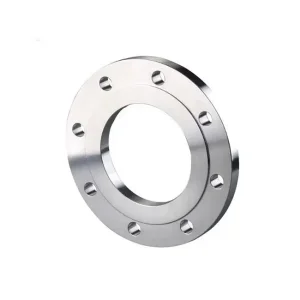
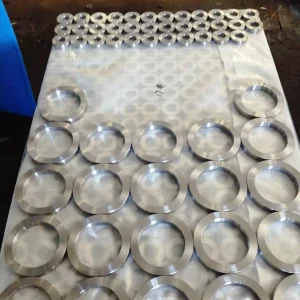
China Suppliers Factory for Plain Flanges
China Factory for Plain Flanges – High-Quality Slip On Flange Manufacturer
View Details
China CNC-Machined Blind Flanges Suppliers
China CNC-Machined Blind Flanges Suppliers | ASTM A105 Factory Bulk Export
View Details
Discount Custom Tube Sheets Any Size Material
Discount Custom Tube Sheets | Any Size/Material | OEM Support Available
View Details
Best CNC-Machined Blind Flanges from China Factory
Best CNC-Machined Blind Flanges from China Factory | ASTM A105 Reliable Suppliers
View Details
China Custom Weld Neck Flanges EN 1092-1
China Custom Weld Neck Flanges EN 1092-1 | 30+ Years Expertise & Certified Quality
View Details
China Custom Expansion Joint Flanges Solutions
China Custom Expansion Joint Flanges - Top Suppliers for Reliable Piping Solutions
View Details
Discount China Suppliers for Plain Flanges
Discount China Suppliers for Plain Flanges – Quality Factory Plate & Flat Flange
View Details
Best China Custom Ring Flanges Type 34
Best China Custom Ring Flanges Type 34 | High-Integrity RTJ Flanges Factory
View Details