Precision-engineered piping components certified to ASME, EN, DIN, and ISO standards for global power, chemical, and heavy engine infrastructure.
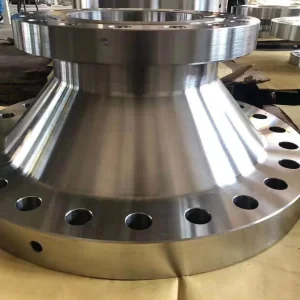
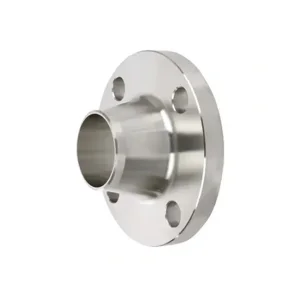
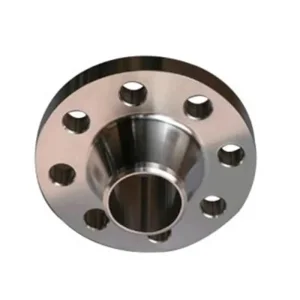
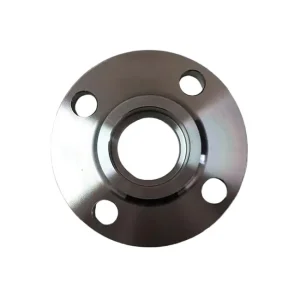
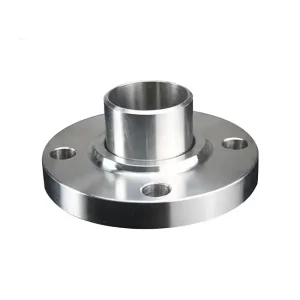
An exhaustive analysis of structural mechanics, material selection, and sealing integrity in heavy-duty pipe connections.
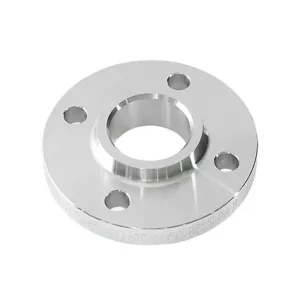
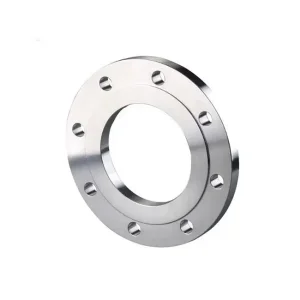
A Mild Steel V-Band Flange assembly represents one of the most efficient, durable, and space-saving quick-release clamping mechanisms utilized in modern mechanical engineering. Unlike traditional multi-bolt ANSI or DIN pipe flanges that require complex torque patterns across 4 to 24 separate bolts, a V-band flange system relies on radial compression technology. The complete assembly consists of three primary components: a male stepped flange, a mating female stepped flange, and a circumferential V-retainer clamp equipped with a high-tensile T-bolt fastener.
The core mechanical advantage lies in the wedge-action physics of the outer clamp. The inner profile of the V-band coupling features a 40-degree or 20-degree internal angle channel. As the single T-bolt nut is tightened, the V-band clamp applies a uniform radial inward force ($F_r$). This radial force converts directly into a massive axial clamping force ($F_a$) along the mating chamfers of the mild steel flanges, driving the precision-machined male and female shoulders together. This wedging vector creates a gas-tight, liquid-tight seal capable of enduring extreme vibrations, thermal expansion cycles, and intense mechanical shock loads without backing off.
While stainless steel grades (such as AISI 304 or 316) are frequently cited in extreme corrosive environments, low-carbon mild steel (such as Q235B, ASTM A105, AISI 1018, S235JR, or SS400) remains the preferred metallurgical choice for high-volume industrial, automotive, and heavy-equipment OEM applications due to specific engineering parameters:
From commercial vehicle fleets to energy cogeneration plants, discover where mild steel V-band couplings are specified worldwide.
Mild steel V-band flanges are the global OEM standard for heavy-duty diesel engines, connecting turbocharger turbine housings to downpipes, Diesel Particulate Filters (DPF), Selective Catalytic Reduction (SCR) catalysts, and Exhaust Gas Recirculation (EGR) valves.
In stationary power generation stations and diesel-electric marine propulsion units, these flanges accommodate engine vibration and rapid disassembly of hot-side exhaust manifold ducts during scheduled top-end overhaul maintenance.
Manufacturing plants utilize zinc-plated mild steel V-band assemblies in high-velocity pneumatic conveying lines, industrial dust collectors, and HVAC ducting where quick release cleanouts are required without bolt extraction.
Understanding how billet selection, CNC machining tolerances, and surface treatments impact long-term connection integrity.
The manufacturing process of world-class mild steel V-band flanges begins with certified, fully killed carbon steel billets (ASTM A105 / Q235B / AISI 1020). Forging the raw material rather than turning flanges directly from hollow bar stock aligns the internal grain flow along the circumferential contour of the flange ring. This forged structural grain orientation elevates burst strength, impact toughness, and tensile yield strength, ensuring the flange lip does not warp or shear off under extreme clamping loads ($T > 15 \text{ Nm}$).
| Parameter | Mild Steel Specification | Testing Standard & Acceptance Criteria |
|---|---|---|
| Chemical Composition | C: 0.17–0.24% | Mn: 0.35–0.65% | Si: ≤0.35% | P: ≤0.035% | S: ≤0.035% | ASTM A105 / GB/T 700 Spectrometric Analysis |
| Mechanical Properties | Tensile Strength: 415–550 MPa | Yield Point: ≥250 MPa | Elongation: ≥22% | ISO 6892-1 / ASTM E8 Tensile Testing |
| Machining Tolerances | Male/Female Step Height: ±0.03 mm | Bore Diameter: ±0.05 mm | ISO 2768-m (Medium Precision CNC turning) |
| Sealing Face Finish | Concentric Serrated or Smooth Finish: Ra 1.6 µm – Ra 3.2 µm | ISO 4287 Profilometer Measurement |
| Plating Options | Yellow Zinc Chromate, Electro-Galvanized, Zinc-Nickel Alloy (85/15) | ASTM B117 Neutral Salt Spray Test (Up to 1000 Hours) |
Low-carbon steel requires robust surface protection against atmospheric humidity, highway de-icing salts, and high-temperature oxidation. Leading manufacturers apply specialized surface treatments:
How localized industrial clusters in Shanxi (Dingxiang) optimize lead times, material quality, and global cost competitiveness.
Situated in Dingxiang County, Shanxi—internationally recognized as the "Hometown of Forging"—our manufacturing plants benefit from immediate access to top-tier steel mills (such as TISCO and Baosteel). Raw billet sourcing, forging hammers, heat treatment furnaces, and surface finishing labs operate within a 15-kilometer radius, slashing logistics latency.
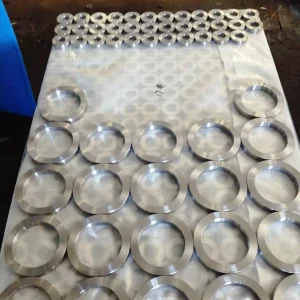
Equipped with dual-spindle multi-axis CNC lathes and robotic load/unload arms, our factory guarantees absolute concentricity between male and female V-band steps. Every production batch undergoes automated CMM (Coordinate Measuring Machine) laser verification to enforce tight tolerances.
Full compliance with ISO 9001:2015 and IATF 16949 automotive quality management protocols. Every shipment includes EN 10204 3.1 Mill Test Certificates detailing chemical heat analysis, mechanical stress yields, and non-destructive ultrasonic testing (UT) reports.
Essential verification parameters for supply chain managers, automotive tier-1 buyers, and engineering procurement teams.
When sourcing Mild Steel V-Band Flanges for high-stress industrial applications, enterprise buyers must verify that candidate vendors possess strict quality control systems. A trustworthy manufacturer must provide:
Modern industrial equipment frequently requires non-standard flange diameters, specialized weld-neck counterbores, or integrated O-ring grooves. Our engineering desk facilitates rapid custom development:
Review customer 2D/3D drawings, thermal load specs, and tube wall thicknesses.
3D print sample fitment check followed by 5-day CNC prototype machining.
Destructive tensile, hardness, and salt-spray testing on sample batches.
Automated multi-spindle production with seaworthy, VCI anti-rust packaging.
Real-world deployment examples demonstrating reliability in high-vibration and thermal-stress environments.
Challenge: A European logistics vehicle manufacturer experienced recurring bolt fatigue and gas leakage on traditional flat-flange SCR connections due to intense chassis vibration.
Solution: Transitioned to our Zinc-Nickel plated Mild Steel V-Band Flange sets with male/female interlocking profiles. The continuous 360-degree radial clamping pressure eliminated vibration back-off.
Result: Zero leak failures recorded over 500,000 kilometers of road fleet testing; assembly line fitment time reduced by 65% per engine unit.
Challenge: An energy co-generation plant in Southeast Asia required frequent bi-weekly cleanout of soot accumulation inside high-temperature flue pipes.
Solution: Installed custom 8-inch yellow-zinc mild steel V-band flanges with quick-release latching clamps.
Result: Cleanout downtime slashed from 4 hours per line to under 15 minutes, saving thousands of dollars in plant operational downtime.
Pioneering innovations shaping the next decade of industrial piping interconnections.
As global industrial sectors accelerate transition toward lower carbon footprints, engine OEMs are demanding lighter components without compromising mechanical yield strength. Advanced micro-alloyed mild steels (HSLA grades) are being introduced to V-band flange forging, enabling thinner wall thicknesses while increasing tensile yield limits past 350 MPa.
Next-generation mild steel V-band flanges are increasingly designed with integrated sensor bosses for temperature and pressure probes. This permits direct mounting of NOx, oxygen, and exhaust back-pressure sensors directly into the flange shoulder, streamlining engine bay routing and reducing leak points.
The global metal finishing industry is rapidly phasing out hexavalent chromium (Cr6+). Modern mild steel V-band manufacturers lead this shift by adopting trivalent chromium passivations and organic topcoat sealers that conform strictly to EU RoHS 3 and REACH regulations while delivering superior salt-spray endurance.
Deep technical answers addressing engineering, installation, material selection, and procurement logistics.
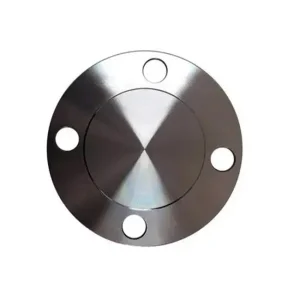
Discover our wider range of forged pipe connections, blind flanges, and custom slip-on interfaces.