Direct Factory Supply with ISO 9001, PED 2014/68/EU & EN 10204 3.1 Certification
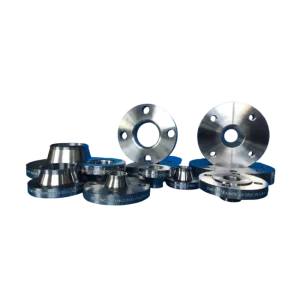
China Custom Stub End Flanges from China | Reliable Suppliers & Factory for Any Size and Material Manufacturer, Suppliers
View Details →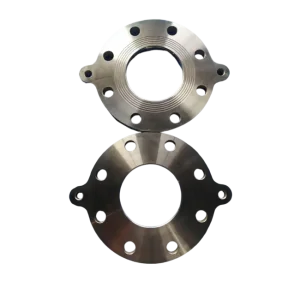
Best Custom Expansion Joint Flanges from China - Reliable Suppliers & Quality Factory Solutions for Piping Systems Suppliers, Product
View Details →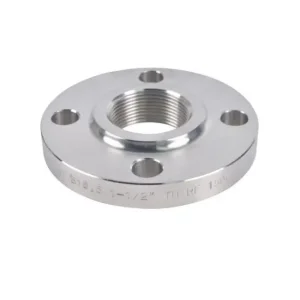
Discount CNC-Machined Threaded Flanges from China | ISO Certified Suppliers | Factory Direct Bulk Orders Available Suppliers, Product
View Details →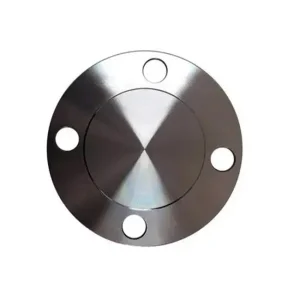
China CNC-Machined Blind Flanges from China | ASTM A105 | Reliable Suppliers & Factory with Bulk Export Discounts Manufacturer, Supplier
View Details →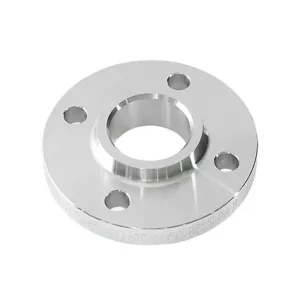
Discount China Slip-On Flanges (SO Flanges) - Reliable Suppliers & Factory for ANSI/DIN Standard Pipe Fittings Supplier, Product
View Details →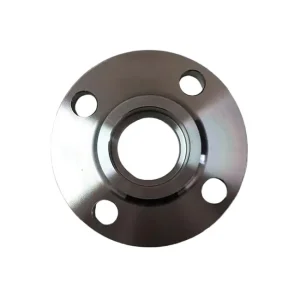
Best China Socket Weld Flanges | High-Quality Factory Suppliers | Low MOQ & Fast Global Delivery Manufacturers, Supplier
View Details →
Best CNC Machined Threaded Flanges from China | ISO Certified Factory & Suppliers | Bulk Orders Welcome Supplier, Product
View Details →
China Custom Expansion Joint Flanges from China Suppliers - Reliable Factory Solutions for Piping Systems Suppliers, Product
View Details →Comprehensive Industry Insights on Corrosion Mitigation, Atmospheric Exposure Standards, and Lifecycle Valuation
Galvanized steel flanges represent a crucial nexus between structural carbon steel pipework and long-term environmental durability. Across global municipal, chemical, power, offshore, and HVAC infrastructure projects, galvanized flanges serve as essential demountable connectors. The global market demand is driven by the accelerating need for corrosion protection without resorting to costly high-alloy stainless steels. Hot-Dip Galvanizing (HDG) creates a metallurgical bond between zinc and forged carbon steel (such as ASTM A105 or Q235B), providing dual protection: a tough barrier shield and sacrificial cathodic protection.
For industrial piping engineers, selecting the correct galvanizing methodology is critical. Hot-Dip Galvanizing per ASTM A153 / ISO 1461 involves immersing fully machined forged steel flanges into a bath of molten zinc at approximately 450°C (840°F). This process forms multi-layered zinc-iron alloy coatings chemically bound to the substrate, achieving coating thicknesses typically ranging from 610 g/m² (85 µm) to over 100 µm. Conversely, Electro-Galvanizing (cold galvanizing) per ASTM B633 applies a thin layer of zinc (typically 5 to 15 µm) via electrodeposition. While EG offers a shiny cosmetic finish, it lacks the sacrificial layer thickness required for heavy industrial outdoor or marine service.
Under ISO 12944 classification, Hot-Dip Galvanized carbon steel flanges operating in C3 (Urban/Industrial) environments exhibit an average zinc consumption rate of only 0.7 to 2.1 µm per year. This yields an estimated operational life exceeding 50 years before first major maintenance. In severe marine environments (C5-M), a nominal 85 µm zinc layer provides 20 to 30 years of maintenance-free service.
| Galvanizing Parameter | Hot-Dip Galvanizing (HDG) | Electro-Galvanizing (EG / Cold) | Thermal Spray (Zinc Metallizing) |
|---|---|---|---|
| Governing Standards | ASTM A153 / ISO 1461 / BS EN ISO 1461 | ASTM B633 / ISO 2081 | ISO 2063 / ASTM C633 |
| Typical Coating Thickness | 65 µm – 120 µm (450 – 850 g/m²) | 5 µm – 25 µm (35 – 180 g/m²) | 100 µm – 250 µm |
| Bond Type | Metallurgical Iron-Zinc Alloy Layers | Mechanical / Electro-Adhesion | Mechanical Interlocking Bond |
| Cathodic Protection Level | Exceptional (Self-healing on scratches) | Moderate (Limited by thin coating mass) | High (Requires sealing coat) |
| Target Applications | Oil & Gas Utilities, Marine, Water Treatment | Indoor HVAC, Instrument Air lines | Large Non-standard Field Modifications |
How Precision Closed-Die Forging and Controlled Thermal Bath Kinetics Guarantee Superior Flange Sealing Integrity
High-integrity galvanized flanges begin with fully killed, clean carbon steel billets (e.g., ASTM A105, A350 LF2, Q235B, S235JR). Billets undergo induction heating to precise normalizing range (1150°C – 1200°C). Hydraulic forging presses align internal grain flow along the flange geometry, eliminating internal voids, porosity, and micro-cracks before any galvanizing phase begins.
Galvanizing failure is almost exclusively driven by poor surface cleaning. Flanges undergo caustic degreasing to remove machining lubricants, followed by inhibited hydrochloric acid pickling (8-14% HCl concentration) to eliminate mill scale and iron oxides. An ammonium chloride fluxing bath ensures oxide-free metallic contact upon molten zinc immersion.
When the steel enters the 450°C zinc bath, interdiffusion produces four distinct microstructural phases: Gamma ($\Gamma$, 75% Zn / 25% Fe), Delta ($\delta$, 90% Zn / 10% Fe), Zeta ($\zeta$, 94% Zn / 6% Fe), and Eta ($\eta$, 100% pure Zn top layer). The Zeta layer is actually harder than the base carbon steel, providing extreme scratch and abrasion resistance.
Excessive zinc accumulation on Raised Face (RF) or Flat Face (FF) gasket surfaces can prevent uniform gasket seating and cause joint leaks. Leading manufacturers utilize high-precision post-galvanizing CNC touch-up or specialized centrifuging to ensure serration groove profiles (125-250 µin AARH) strictly comply with ASME B16.5 requirements while maintaining full rust protection.
How Industrial Hub Scale, Integrated Raw Materials, and Automated CNC Processing Drive Unmatched Value for Enterprise Procurement
China’s premier flange manufacturing regions (such as Dingxiang, Shanxi — officially recognized as the "Hometown of Forging in China") contain vertically integrated supply chain clusters. Steel billet rolling mills, heavy forging shops, heat-treatment facilities, CNC machining centers, and hot-dip galvanizing plants operate within a 15-kilometer radius. This geographic concentration drastically reduces internal freight transit times, eliminates raw material holding overheads, and provides instant scalability for mega-project orders.
The cost advantage of Chinese galvanized flange production stems from continuous production cycles, highly automated ring rolling machinery, and bulk zinc ingot procurement, rather than material degradation. Modern Chinese flange mills operate dual-fuel or electric normalizing furnaces equipped with automatic temperature recorders (ensuring compliance with AD 2000-Merkblatt W0 and PED requirements). Buyers secure premium ASME/EN standard flanges at unit prices 25% to 40% lower than Western European or North American counterparts.
Field-Tested Performance Across Infrastructure, Marine, Chemical, and Utility Networks
Galvanized Slip-On and Plain Flanges (EN 1092-1 Type 01, PN10/PN16) are universally deployed in potable water distribution, desalination plants, and municipal wastewater treatment. The non-toxic zinc layer prevents interior corrosion while resisting moisture degradation in underground pipe vaults.
Large-scale commercial HVAC cooling tower loops and wet-pipe sprinkler networks rely heavily on Threaded and Weld Neck galvanized flanges (Class 150 / Class 300). HDG coating prevents oxygen-rich water condensation from inducing pinhole leaks on pipe connections.
In high-salinity coastal environments, seawater intake lines, ballast water piping, and pier piling connections require HDG Blind and Socket Weld flanges engineered to withstand harsh chloride attack (C5-M atmospheric rating).
Driven pile ground-mount solar arrays, greenhouse structural frames, and heavy-duty agricultural irrigation headers utilize custom galvanized tube sheets and lap joint flanges to ensure a 30-year operational life exposed to harsh soils and weather.
Next-Generation Environmental Sustainability, Micro-Alloying, and Smart Traceability
Global environmental regulations (REACH, RoHS) are transforming hot-dip galvanizing chemistry. Premium Chinese manufacturers have transitioned to high-purity (99.995%) zinc kettles alloyed with micro-additions of Bismuth (Bi), Nickel (Ni), and Aluminum (Al). This micro-alloying improves zinc liquidity, reduces bath temperature requirements, suppresses reactive steel Sandelin effects, and completely eliminates hazardous lead emissions.
Integration of Industry 4.0 practices allows real-time thermal monitoring during forging ring-rolling. Automated CNC machining cells utilize optical laser feedback to verify bolt-hole pitch circle diameters (PCD) and flange face parallelism to within ±0.1mm prior to galvanizing, reducing product scrap rates to near-zero.
Leading global buyers now require instantaneous material verification. Advanced flange factories hard-stamp permanent heat numbers on the outer flange rim alongside a laser-etched QR code. Scanning the QR code instantly yields the EN 10204 3.1 Material Test Certificate, zinc coating thickness audit logs, and ultrasonic test (UT) reports.
Essential Auditing Criteria, Material Certification Protocols, and Hydrostatic Inspection Guidelines
A compliant export shipment must always be accompanied by a comprehensive quality folder containing:
Expert Answers to Critical Engineering Questions Regarding Galvanized Steel Flanges
Explore Additional Product Specifications & Factory Direct Wholesale Inventory
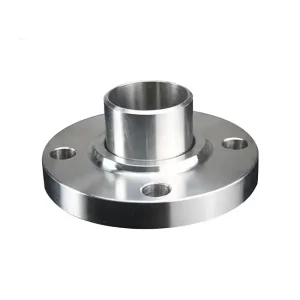
Discount China Lap Joint Flanges Suppliers | Factory-Direct Quality for Industrial Applications Manufacturer, Manufacturers
View Details →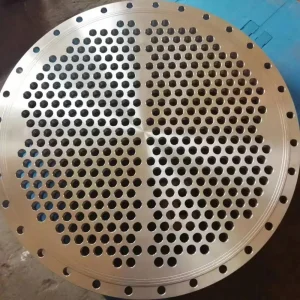
China Custom Tube Sheets from China Factory | OEM Support | Reliable Suppliers for Any Size/Material Manufacturer, Products
View Details →
Best CNC-Machined Blind Flanges from China | ASTM A105 | Factory Direct Bulk Discounts | Reliable Suppliers Manufacturers, Products
View Details →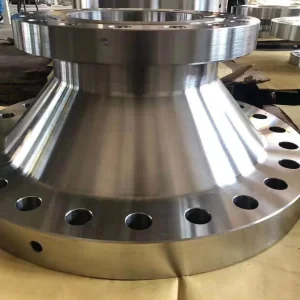
Discount China Reducer Flange Suppliers | Reliable Factory for Competitive Prices on Reducing Flanges Manufacturer, Product
View Details →
Best Custom Tube Sheets from China | Any Size/Material | OEM Support by Trusted Suppliers and Factory Manufacturers, Supplier
View Details →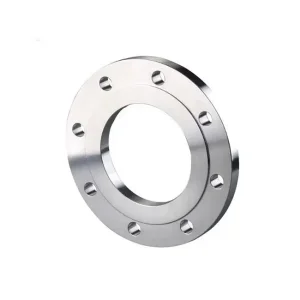
Best China OEM Plain Flange Manufacturer – Global Export Ready Manufacturer, Products
View Details →
Best China Stub End Flanges Suppliers | Custom Sizes & Materials from Leading Factory Supplier, Product
View Details →
Discount CNC-Machined Blind Flanges Suppliers from China Factory | ASTM A105 | Bulk Export Discounts Available Manufacturer, Product
View Details →