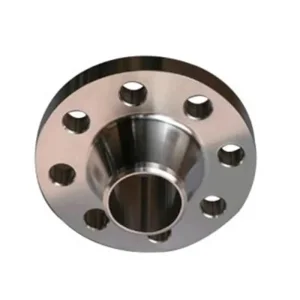
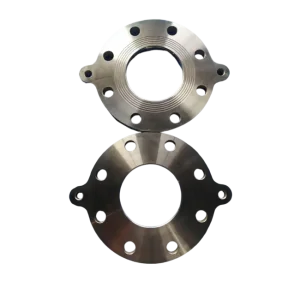
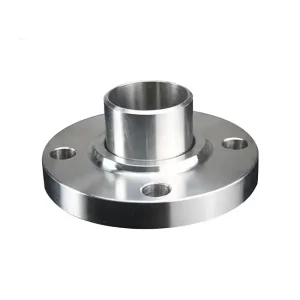
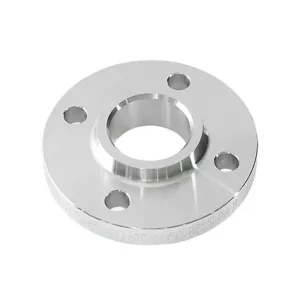
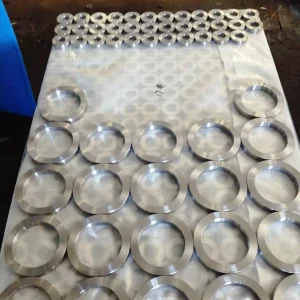
Direct factory supply manufactured to ASME B16.5, DIN, and EN 1092-1 standards with ISO 9001 certification.
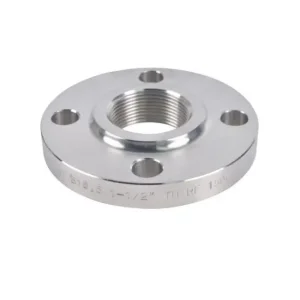
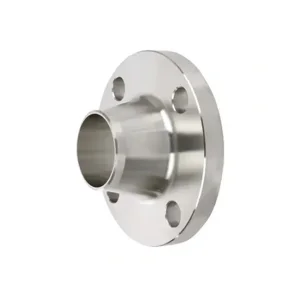
The global pipeline infrastructure, architectural construction, and industrial fluids handling markets are undergoing a significant transformation driven by material longevity requirements, total cost of ownership (TCO) optimization, and strict corrosion mitigation mandates. Among critical piping connectivity components, galvanized pipe floor flanges—specifically manufactured from hot-dip galvanized (HDG) malleable cast iron, ductile iron, and forged carbon steel (ASTM A105)—have solidified their position as indispensable mechanical anchors.
Historically utilized predominantly in municipal plumbing and low-pressure gas utility lines, galvanized floor flanges have experienced an unprecedented surge in demand across modern industrial modularization, commercial HVAC risers, structural scaffolding, coastal offshore installations, and retro-industrial architectural applications. According to recent metallurgical trade metrics, the global market for galvanized pipe fittings and floor flanges is projected to expand at a CAGR of 5.8% through 2030, driven primarily by mega-infrastructure investments across North America, Europe, and the Asia-Pacific region.
Choosing the right galvanized floor flange manufacturer requires balancing zinc coating thickness (microns), thread precision (NPT vs. BSPT per ANSI/ASME B1.20.1), tensile strength, and factory-level traceability under EN 10204 3.1 certification.
Demand patterns vary distinctly by region, shaping the strategic supply chain requirements for B2B distributors, engineering contractors (EPCs), and original equipment manufacturers (OEMs):
An in-depth metallurgical analysis of Hot-Dip Galvanizing (HDG) versus Electro-Galvanizing for industrial floor flanges.
Immersion of cleaned iron/steel components in molten zinc at ~450°C (840°F). Forms a metallurgically bonded multi-layer zinc-iron alloy (Eta, Zeta, Delta, and Gamma layers) offering complete cathodic protection and up to 85+ microns coating depth.
Flange hubs are machined on multi-axis CNC lathes to maintain absolute axis perpendicularity to the base face within 0.05 mm. Threads are tapped precisely to NPT (ANSI B1.20.1) or BSPT (ISO 7-1) specs to prevent leakage and galling.
Cast malleable iron (ASTM A197) and forged carbon steel (ASTM A105) flanges undergo hydrostatic shell testing (up to 300 PSI working pressure) and structural pull-out stress testing for structural architectural applications.
| Parameter / Standard | Hot-Dip Galvanized (HDG) Floor Flange | Electro-Galvanized (Cold Plated) Flange | Untreated / Black Malleable Flange |
|---|---|---|---|
| Governing Standard | ASTM A153 / EN ISO 1461 / ASTM A197 | ASTM B633 / ISO 2081 | ASTM A197 / ANSI B16.3 |
| Zinc Layer Thickness | 65 μm – 85 μm (Heavy Duty) | 5 μm – 15 μm (Decorative) | 0 μm (Protective oil film only) |
| Corrosion Resistance (Salt Spray) | 500 to 1,000+ Hours (ASTM B117) | 48 to 96 Hours | < 24 Hours (Rusts rapidly) |
| Adhesion & Bonding | Metallurgical alloy bond (Harder than base steel) | Mechanical surface adhesion only | N/A |
| Primary Application | Heavy industrial, outdoor piping, marine, structural framework | Light indoor decoration, temporary plumbing | Oil/Gas closed loop lines, painted industrial structures |
China’s industrial casting and forging clusters—most notably centered in Shanxi (Dingxiang County), Hebei (Cangzhou and Luquan), and Shandong—produce over 70% of the world's malleable iron pipe fittings and forged industrial flanges. This market dominance is not merely built on cost competitiveness, but on decades of concentrated industrial infrastructure, supply chain vertical integration, and aggressive technological modernization.
Chinese flange manufacturers operate in close physical proximity to major blast furnaces, high-purity iron foundries, and raw zinc refineries. A single integrated cluster like Dingxiang handles every phase of the value chain: from raw iron ore melting, electric induction furnace refining, automatic DISA sand molding, and CNC machine tapping, to continuous-line hot-dip galvanizing and automated quality testing.
Leading Chinese suppliers have transitioned away from manual cupola furnaces to automated DISA line molding and robotic arm machining cells. This ensures:
Through automated high-speed output, energy recovery systems, and direct port logistics, Chinese manufacturers offer global B2B procurement managers exceptional cost efficiency without compromising ASTM, ANSI, or DIN quality benchmarks.
From chemical processing plants to structural modular architecture, explore how galvanized floor flanges perform.
In high-rise commercial structures and industrial facilities, vertical utility pipes (HVAC chilled water, fire sprinklers, condensed air lines) require rigid floor and wall anchors. Heavy-duty galvanized floor flanges screwed onto threaded pipe ends provide strong surface mounting points capable of absorbing operational vibration and thermal contraction forces.
The global rise of industrial-chic architecture and heavy-duty structural shelving has expanded floor flange usage. Floor flanges function as stable footings for modular pipe handrails, guard rails in factories, retail display racks, and residential shelving systems. HDG finishing provides scratch resistance and anti-tarnish aesthetic appeal.
Atmospheres rich in chloride ions (sea salt spray) quickly degrade standard painted or electro-plated steel. HDG floor flanges used in municipal wastewater treatment plants, coastal dock structures, and marine vessel utility lines benefit from zinc’s sacrificial galvanic protection: even if scratched, the surrounding zinc corrodes first, keeping the structural iron intact.
Galvanized pipe floor flanges serve as base plates for lightweight outdoor solar panel mounting frameworks, greenhouse frame anchors, and agricultural irrigation manifold supports, enduring seasonal rain, freeze-thaw cycles, and direct UV radiation without structural degradation.
As global decarbonization mandates and Industry 4.0 automation take hold across metalworking sectors, galvanized pipe flange manufacturers are investing in next-generation manufacturing technology:
Leading factories are deploying high-resolution AI optical cameras along CNC production lines. These vision systems inspect thread profile angle, pitch distance, center-to-center hole spacing, and surface zinc thickness in under 1.5 seconds per flange, achieving true zero-defect shipment capability.
Traditional galvanizing baths contained micro-amounts of lead or cadmium to aid zinc fluidity. Modern green-certified foundries utilize high-purity (99.995%) zinc refined with nickel and bismuth additives. This produces a smoother, brighter surface finish while fully complying with international drinking water safety standards (NSF/ANSI 61) and European RoHS regulations.
To meet strict project traceability requirements in high-risk chemical and municipal projects, manufacturers are laser-etching matrix codes onto the side rim of forged and cast floor flanges. Scanning the code instantly retrieves raw material heat numbers, chemical analysis reports, tensile test results, and original MTC (EN 10204 3.1) documentation.
Procuring industrial-grade galvanized pipe floor flanges in bulk requires rigorous verification of manufacturer claims. Buyers should execute the following 4-step quality audit framework prior to issuing purchase orders:
Chinese factories excel at custom manufacturing—from special 3-hole base patterns, extra-wide outer diameters, tapped grounding lugs, to custom epoxy powder-coated over HDG finishes. Always request a 3D CAD drawing proof before mold creation.
Clear, definitive answers to common inquiries from mechanical engineers, procurement heads, and pipe fitting distributors.
Hot-Dip Galvanizing involves submerging the entire iron or steel flange into molten zinc (~450°C), creating a thick (65-85+ micron), metallurgically bonded zinc-iron alloy layer that protects against harsh outdoor weather and marine environments for 30-50+ years. Electro-galvanizing uses an electric current to deposit a micro-thin layer of zinc (5-15 microns), which is shiny and visually uniform but offers limited rust protection, making it suitable primarily for light indoor decorative applications.
NPT (National Pipe Taper - American standard) has a 60° thread angle with flat crests and roots, measured in threads per inch (e.g., 11.5 TPI for 1" NPT). BSPT (British Standard Pipe Taper - European/Asian standard) features a 55° thread angle with rounded crests and roots. NPT and BSPT threads do not seal properly together due to thread profile and pitch mismatches. Always match your flange thread standard to your existing pipe network.
Standard malleable iron threaded floor flanges manufactured per ANSI/ASME B16.3 / ASTM A197 are typically rated for Class 150 (working pressure up to 150 PSI for saturated steam or 300 PSI for non-shock cold water, oil, and gas applications). For high-pressure industrial lines (Class 300, 600, or 1500), forged carbon steel flanges (ASTM A105) manufactured per ASME B16.5 must be specified instead of malleable cast iron.
China hosts integrated industrial forging and casting clusters (such as Dingxiang in Shanxi and Luquan in Hebei) that account for over 70% of global supply. Buying directly from Chinese factories yields 30% to 45% cost savings due to raw material access, high-speed DISA automatic molding, and concentrated supply chains, while maintaining strict adherence to ISO 9001, PED 2014/68/EU, and EN 10204 3.1 certification.
Welding directly onto galvanized steel is not recommended without proper safety and metallurgical precautions. Heating galvanized zinc creates toxic zinc oxide fumes ("metal fume fever") and causes zinc inclusion in the weld pool, leading to weld porosity and embrittlement. If welding is necessary, the zinc coating must be mechanically ground off 1 to 2 inches back from the weld zone, and a zinc-rich cold galvanizing compound reapplied post-weld.
Every commercial bulk order should be accompanied by: 1) EN 10204 3.1 Mill Test Certificate (MTC) detailing heat number, chemical composition, and mechanical test results; 2) ISO 9001 quality audit report; 3) Dimension and thread gauge inspection sheet; 4) ISPM-15 Wood Packaging Fumigation Certificate; and 5) Certificate of Origin (CO) for customs clearance.
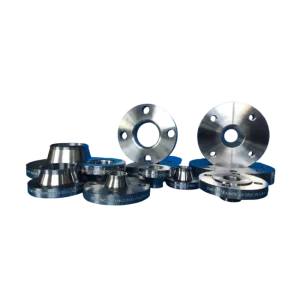
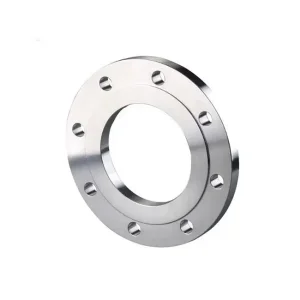
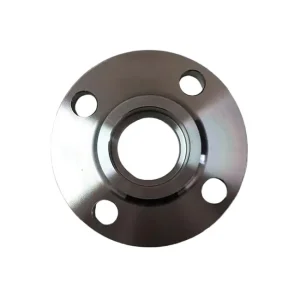
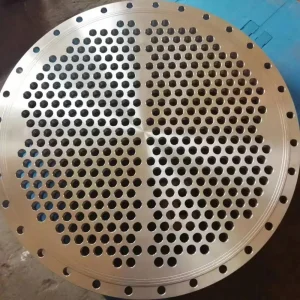
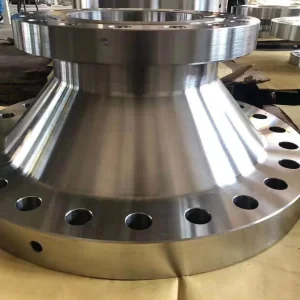
Explore our full catalog of slip-on, blind, socket weld, reducer, and custom ring flanges available for bulk global distribution.
Get in touch directly with our senior metallurgical engineers. Submit your dimensional drawings, required ASTM/DIN specifications, or target RFQ details for a complete response within 24 hours.