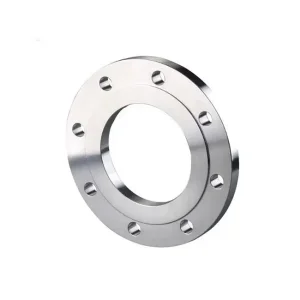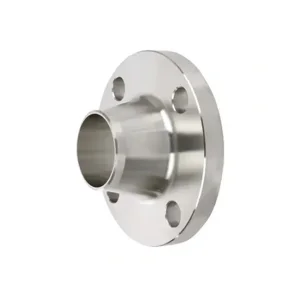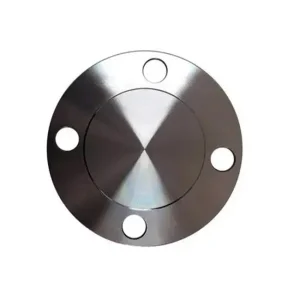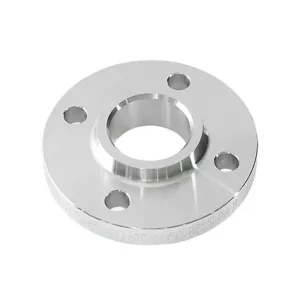
Direct factory-engineered connection solutions certified to ASME B16.5, ASME B16.47, EN 1092-1, and DIN specs for high-pressure industrial flow control.
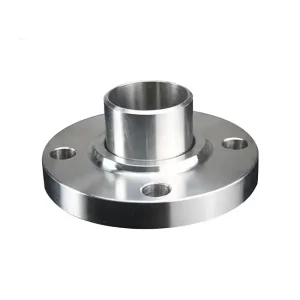
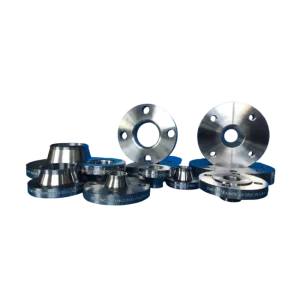
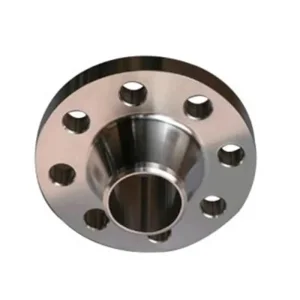
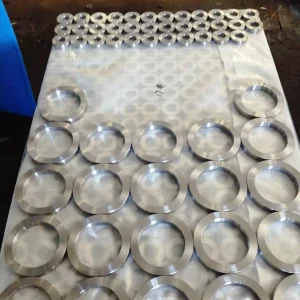
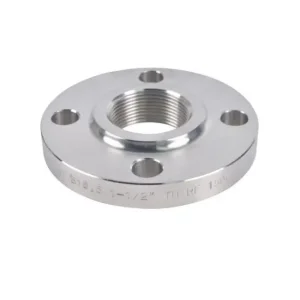
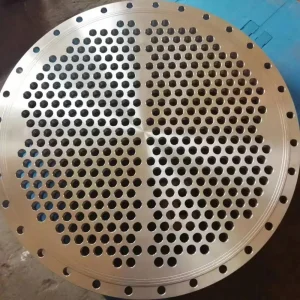
Decoding user intent, information gain parameters, and structural integrity requirements across high-pressure industrial networks.
In complex industrial fluid handling—spanning hydrocarbon processing, cryogenic liquid natural gas (LNG) distribution, pharmaceutical synthesis, and offshore marine engineering—the selection of flow isolation valves represents a critical determinant of operational safety, environmental compliance, and life-cycle capital efficiency. Among the diverse valve architectures, Flanged Stainless Steel Ball Valves stand out as the gold standard for quarter-turn fluid shut-off. Their unique structural design integrates a precision-machined spherical closure element with bolted flange connections that mate directly to ANSI, ASME, EN, or DIN standardized pipe networks.
Modern procurement managers and piping stress engineers no longer evaluate valve procurement based solely on nominal pressure ratings or basic unit pricing. Semantic search intent analysis reveals that high-intent industrial queries focus heavily on fugitive emissions containment (ISO 15848-1), fire-safe certification (API 607 / ISO 10497), metallurgical purity (PREN values), and supply chain auditability (EN 10204 3.1/3.2 material traceability). This whitepaper establishes an authoritative framework for evaluating the world’s top suppliers, structural valve designs, and global manufacturing ecosystems.
Selecting the optimal austenitic, duplex, or super-alloy grade to combat localized pitting, crevice corrosion, and stress corrosion cracking (SCC).
The reliability of a stainless steel flanged ball valve depends heavily on chemical metallurgy. Selecting between standard grade 304 (CF8), molybdenum-bearing 316L (CF3M), highly alloyed 904L, or Duplex 2205 (UNS S31803) requires evaluating fluid chloride concentrations, operating temperatures, and acidic medium velocity.
| Material Grade | ASTM / UNS Spec | PREN Rating | Primary Corrosion Resistance | Typical Industrial Application |
|---|---|---|---|---|
| AISI 304 / CF8 | ASTM A351 CF8 / A276 304 | 18.0 - 20.0 | General oxidation, freshwater, mild organic acids | Municipal water, food & beverage, HVAC utility lines |
| AISI 316L / CF3M | ASTM A351 CF3M / A182 F316L | 23.0 - 25.5 | Chloride pitting, marine atmospheres, acetic acid | Petrochemical refining, offshore oil/gas, pharmaceutical synthesis |
| Duplex 2205 | ASTM A182 F51 / UNS S31803 | 34.0 - 36.0 | High yield strength, chloride stress corrosion cracking | Desalination plants, marine topsides, pulp & paper bleaching |
| Super Duplex 2507 | ASTM A182 F53 / UNS S32750 | > 42.0 | Extreme acidic chlorides, severe crevice corrosion | Subsea manifolds, phosphoric acid production, sour gas wellheads |
| Hastelloy C276 | ASTM B574 / UNS N10276 | > 65.0 | Wet chlorine gas, hypochlorite, strong mineral acids | Flue gas desulfurization (FGD), hazardous chemical waste processing |
Engineered per ASME B16.34, flanged ball valves operate seamlessly across pressure classes from Class 150 (PN16) up to Class 2500 (PN400). Seat materials dictate upper thermal thresholds—reinforced PTFE (RPTFE) operates up to 220°C, while metal-to-metal seating with Stellite cladding handles temperatures exceeding 550°C.
Compliant with API 607, API 6FA, and ISO 10497 standards, secondary graphite seals provide tight shut-off even after soft seats disintegrate during a fire. Live-loaded stem packing sets per ISO 15848-1 Class AH prevent fugitive emissions of volatile organic compounds (VOCs).
Precision mirror-polished balls (surface finish Ra < 0.1 µm) combined with low-friction PEEK or Devlon seats reduce breakaway torque. Direct-mount ISO 5211 top flanges allow effortless integration with pneumatic, electric, or electro-hydraulic actuators.
How Shanxi Yuxin Casting & Forging Co., Ltd. (Dingxiang Cluster) redefines quality control, scale efficiency, and lead-time predictability for international buyers.
The global industrial valve supply chain has undergone a structural shift toward integrated manufacturing clusters capable of delivering end-to-end quality assurance. Located in Dingxiang County, Shanxi Province—recognized worldwide as the “Hometown of Forging in China”—enterprises like Shanxi Yuxin Casting & Forging Co., Ltd. (established in 1992) represent the pinnacle of Chinese Industry 4.0 smart manufacturing.
With an annual forging output exceeding 10,000 tons of flanges and 2,000 tons of forged structural components, the synergy between valve assembly plants and dedicated forging mills creates an unassailable supply chain advantage:
From raw steel billet inspection to thermal forging, normalizing, solution annealing, and final multi-axis CNC machining, every valve body, flange end, and stub component shares an unalterable heat number. Material Test Certificates per EN 10204 3.1 and 3.2 are backed by spectral chemical analysis and mechanical impact testing down to -196°C.
Equipped with high-precision CNC lathes, 5-axis machining centers, and automated coordinate measuring machines (CMM), flange face serrations (125-250 µin AARH) and ball valve seat cavities achieve tolerances within ±0.005 mm, guaranteeing zero-leakage seal alignment.
Enterprise quality systems audited by TÜV CERT according to ISO 9001:2015, Pressure Equipment Directive (PED 2014/68/EU), AD 2000-Merkblatt W0, and Chinese Special Equipment Manufacturing Licenses ensure immediate acceptance by global EPC engineering contractors.
Where failure is not an option: Deploying flanged stainless steel ball valves and forged flange connections across demanding operational environments.
In oil refineries and ethylene cracker units, flanged ball valves isolate volatile hydrocarbons under extreme pressure cycles. Using ASTM A182 F316L valve bodies combined with ASME B16.5 Weld Neck or Slip-On companion flanges ensures high structural resistance to vibration, thermal expansion, and hydrogen embrittlement.
Liquefied natural gas processing at -162°C demands extended stem flanged ball valves engineered from forged 304L/316L stainless steel. Extended bonnets create an insulating gas column that protects stem packing from freezing, while lip-loaded PCTFE seats provide reliable seal integrity during severe cryogenic shrinkage.
Floating Production Storage and Offloading (FPSO) vessels require lightweight, corrosion-resistant valve manifolds. Utilizing Duplex 2205 flanged ball valves paired with marine-certified lap joint flanges allows rapid disassembly, minimizing maintenance downtime in salt-spray environments.
High-purity chemical manufacturing lines demand interior surfaces polished to Ra < 0.38 µm and cavity-filled PTFE seats to eliminate stagnant fluid zones where bacteria or cross-contaminants could accumulate. Direct-mount flanged connections eliminate thread contamination risks.
Minimizing Total Cost of Ownership (TCO) through rigorous supplier evaluation, NDT testing protocols, and documentation verification.
Procuring high-performance stainless steel flanged ball valves and companion flanges requires a structured quality verification plan (QVP). Global EPC contractors must enforce a strict audit process to prevent non-compliant materials, substandard casting porosity, or counterfeit alloy certifications from entering critical piping systems:
Ensure 100% volumetric NDT inspection for cast bodies and forged flange blanks destined for high-pressure or hydrogen service. UT inspection per ASME Section V detects internal voids, inclusions, and forging bursts before machining.
Verify chemical alloy compliance on 100% of pressure-retaining components using X-ray Fluorescence (XRF) analyzers prior to shipment. Confirm Ni, Cr, and Mo percentages meet ASTM minimums to preserve pitting corrosion protection.
Every valve must undergo hydrostatic shell testing at 1.5× nominal rating and high-pressure air seat testing at 1.1× rating according to API 598 or EN 12266-1 standards to ensure absolute zero-bubble tightness.
Expert answers to common engineering, metallurgical, and international procurement queries regarding flanged stainless steel ball valves and companion fittings.
Explore factory-direct pricing, custom dimension capabilities, and full material certification across our complete flange line.