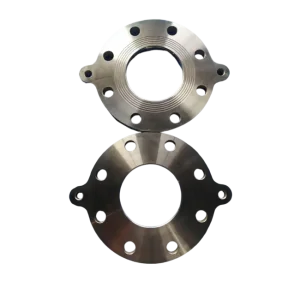
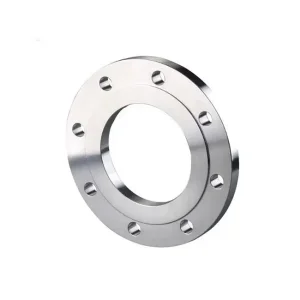
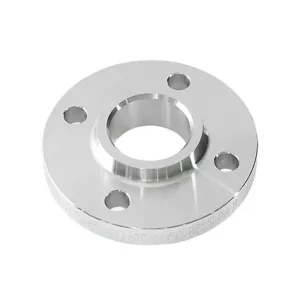
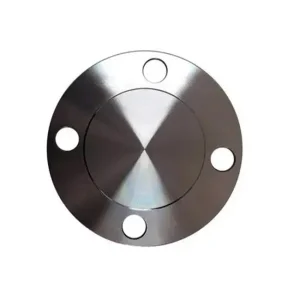
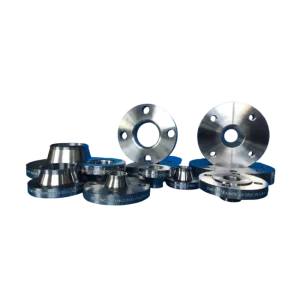
Explore ISO 9001 and PED 2014/68/EU certified forged flanges engineered for severe pressure, temperature, and corrosive environments.
An authoritative analysis of metallurgical advancement, structural integrity, and international procurement standards in modern pipeline architecture.
Carbon Steel (CS) flanges represent the backbone of global industrial fluid transfer, energy conveyance, and heavy processing infrastructure. As global industrial ecosystems shift toward higher working pressures, sub-zero ambient environments, and ultra-critical safety mandates, evaluating the best CS flange supplier & products demands a detailed technical paradigm. A flange is not merely a static steel ring; it is an engineered mechanical joint subject to complex bolt-load relaxations, thermal cycling expansion, dynamic fatigue, and aggressive environmental cracking mechanisms.
In midstream oil and gas transport, refining operations, power generation, and petrochemical synthesis, carbon steel remains the material of choice due to its high tensile yield strength, excellent ductility, superior machineability, and economic viability. However, procurement managers and lead piping engineers face increasing procurement risks, including non-metallic inclusion contamination, improper heat treatment, non-conforming grain flow structures from cast-plate cutting, and fraudulent test documentation.
Information Gain Insight: Genuine forged CS flanges manufactured to ASTM A105 or ASTM A350 LF2 undergo open-die or closed-die hot hammer forging that aligns the internal steel grain flow parallel to the component's primary stress lines. This grain alignment imparts up to 35% higher impact toughness compared to flame-cut plate rings, preventing catastrophic brittle fractures under high pressure spikes.
Selecting a elite manufacturing partner requires auditing the entire value chain—from raw billet induction heating, optical spectrometer chemical analysis, heat treatment monitoring (Normalizing, Quenching, and Tempering), to multi-axis CNC face serration finishing and rigorous non-destructive testing (NDT). Manufacturers located in specialized forging centers, such as Dingxiang County in Shanxi Province, China, leverage integrated raw material supply chains, advanced drop-forging hammers, and specialized rolling mills to deliver international standard compliance (ASME B16.5, EN 1092-1, DIN, JIS) at competitive total costs of ownership (TCO).
Understanding mechanical properties, temperature operational envelopes, and chemical compositions for severe duty applications.
The standard material specification for forged carbon steel piping components operating under ambient to high-temperature service conditions in pressure systems (up to 425°C). Requires carbon content capped at 0.35% max to maintain weldability without preheating in thin-wall applications.
Specifically engineered for low-temperature service environments where notch toughness is paramount. Fully normalized or quenched-and-tempered to achieve guaranteed Charpy V-Notch impact test values down to -46°C (-50°F). Vital for Arctic LNG and cryo-processing.
Covers high-test forged carbon steel flanges for transmission of high-pressure petroleum and natural gas pipelines. Available in yield strength designations F42, F52, F60, F65, and F70. Engineered to pair seamlessly with high-strength API 5L line pipe.
Select material grades must balance weldability, yield point strength, tensile load tolerance, and thermal deformation resistance. Below is an engineering reference for common carbon steel flange forging grades:
| Material Specification | Carbon (C) Max % | Manganese (Mn) % | Yield Strength Min (MPa) | Tensile Strength Min (MPa) | Impact Temp (°C) | Primary Industrial Application |
|---|---|---|---|---|---|---|
| ASTM A105 | 0.35 | 0.60 – 1.05 | 250 | 485 | -29°C (Standard) | General Refinery, Steam & Industrial Water |
| ASTM A350 LF2 Cl. 1 | 0.30 | 0.60 – 1.35 | 250 | 485 – 655 | -46°C (Impact ≥20J) | LNG Terminals, Refrigeration & Sub-Zero Pipelines |
| ASTM A694 F52 | 0.26 | 1.35 Max | 360 (52 ksi) | 455 | Customer Specified | High-Pressure Gas Transmission Lines |
| ASTM A694 F65 | 0.26 | 1.40 Max | 450 (65 ksi) | 535 | Customer Specified | Offshore Riser Manifolds & Deepwater Systems |
| EN 1092-1 P250GH | 0.18 | 0.40 – 0.90 | 250 | 410 – 540 | -20°C | European Pressure Equipment Directive (PED) Piping |
Engineered carbon steel joint configurations tailored to harsh operational pressures, cyclic thermal vibration, and severe service media.
High-yield ASTM A694 and A350 LF2 flanges are deployed extensively across transmission lines, wellheads, and gathering stations. Integrated with Ring Type Joint (RTJ) facings, these flanges withstand operating pressures up to ASME Class 2500 (42.5 MPa) while preventing explosive decompression of light hydrocarbons.
Thermal fatigue resistance is essential in catalytic cracking, hydroprocessing, and fluid distillation columns. Carbon steel flanges with normalized heat treatment eliminate residual forging stresses, preventing stress corrosion cracking (SCC) when exposed to hydrogen sulfide ($H_2S$) sour gas in compliance with NACE MR0175 / ISO 15156.
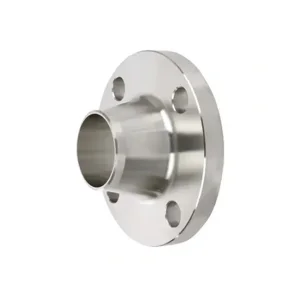
Boiler feed-line networks, turbine bypass systems, and combined-cycle steam plants demand heavy-wall Weld Neck (WN) CS flanges. The gradual taper from the flange hub to the pipe wall eliminates localized stress concentration points, absorbing dynamic water-hammer shocks and high thermal ramps.
How technical directors and procurement leaders evaluate global flange manufacturers to guarantee zero-defect field installation.
Selecting the best CS flange supplier requires moving beyond basic pricing models to evaluate strict technical audit criteria. Substandard flanges introduce massive liabilities, including fugitive chemical emissions, unscheduled facility shutdowns, and catastrophic structural failures.
E-E-A-T Reliability Standard: Premier manufacturers provide full material traceability by stamping heat numbers directly on the flange rim. Every shipment is matched with a genuine EN 10204 3.1 Material Test Certificate (MTC) detailing heat analysis, mechanical tensile/yield testing, Charpy V-notch values, and 100% Ultrasonic Testing (UT) per ASTM A388.
Export readiness, anti-corrosion protection, and global regulatory certification systems for seamless cross-border delivery.
Adherence to global standards ensures rapid regulatory clearance. Full accreditation includes ISO 9001:2015 management systems, European Pressure Equipment Directive (PED 2014/68/EU), AD 2000-Merkblatt W0, and CRN (Canadian Registration Numbers) across all provinces.
Preventing ocean atmospheric oxidation is critical for carbon steel. Flanges undergo high-grade black rust-preventive painting, yellow varnish dip coating, or cold galvanizing, followed by plastic cap bevel protection, VCI anti-rust paper wrapping, and custom fumigation-free plywood box crating.
To eliminate time-zone frictions for global EPC engineering firms, our bilingual engineering specialists provide comprehensive technical bid preparation, drawing reviews (DWG/STEP), and commercial quotation issuance within 24 hours.
How intelligent forging automation, AI digital twin inspection, and green energy transition shape the future of carbon steel flanges.
Transitioning from manual hammer forging to fully automated 6-axis robotic transfer lines paired with continuous induction heating furnaces. Real-time infrared pyrometer feedback guarantees exact forging temperature control (1150°C to 1250°C), eliminating grain overheating and micro-cracking risks.
Integrating artificial intelligence optical vision system algorithms with multi-channel automated Ultrasonic Testing (UT). Every finished CS flange undergo 360-degree high-speed laser scanning to verify flange face roughness, pitch circle diameter (PCD), and bolt-hole concentricity to ±0.05mm precision.
Responding to global ESG mandates by utilizing clean electric induction billet heating powered by renewable energy grids, alongside partnerships with green hydrogen-based primary steelmakers. Lowering embodied carbon footprints without sacrificing high-pressure material strength.
Deep technical clarifications addressing common design, selection, and compliance inquiries from engineering leads.
While both are forged carbon steel specifications sharing similar tensile minimums (485 MPa), ASTM A105 is designed for general ambient/high-temperature applications with no standard sub-zero impact testing requirements. ASTM A350 LF2 is specifically formulated and heat-treated (Normalized or Q&T) for low-temperature service, guaranteeing minimum Charpy V-notch impact toughness of 20 Joules at -46°C (-50°F).
Weld Neck flanges feature a long tapered hub that provides crucial structural reinforcement, transferring line stress directly to the pipe wall. They are mandatory for severe service conditions involving high pressure (Class 600 and above), thermal shock, cyclic fatigue loading, sub-zero temperatures, or toxic media. Slip-On flanges attach via two fillet welds (inside and outside) and are suited for lower pressure (Class 150/300) utility water, air, or low-risk chemical lines where installation speed is prioritized.
For carbon steel flanges operating in environments containing hydrogen sulfide ($H_2S$), NACE MR0175 / ISO 15156 dictates three primary controls: 1) Maximum carbon equivalent (CE ≤ 0.43%), 2) Mandatory post-forging thermal normalizing or stress relieving, and 3) A strict maximum bulk material hardness threshold of 22 HRC (Rockwell C) or 237 HBW (Brinell) to mitigate Hydrogen-Induced Cracking (HIC) and Sulfide Stress Cracking (SSC).
An authentic EN 10204 3.1 Mill Test Certificate (MTC) is issued directly by the manufacturer’s independent QA inspector. It details exact melt heat numbers, ladle chemical analysis, heat treatment batch charts, mechanical tensile/yield/elongation values, Charpy impact test energies (if applicable), NDT test results (Ultrasonic / Magnetic Particle), exact dimensional inspection records, and confirmation of PED 2014/68/EU compliance.
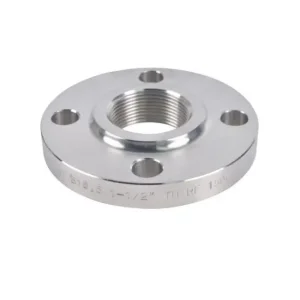
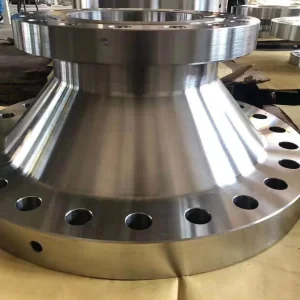
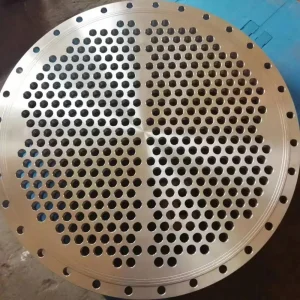
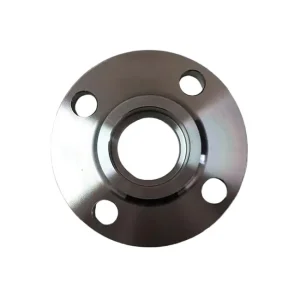
Discover specialized carbon steel components, blind flanges, socket weld connections, and custom-machined tube sheets.