A piping joint may look simple, yet its flange affects maintenance, leak control, and long-term reliability. A Stainless Steel Pipe Flange is often selected for systems exposed to moisture, cleaning chemicals, or changing temperatures. Its corrosion resistance can help protect connections, but performance depends on the stainless grade, fluid, and operating conditions. Details matter. A flange that suits a water line may not suit a process carrying chlorides or hot chemicals.
This guide explains why stainless steel flanges are used and what to check before specifying one. It covers material grades, flange types, pressure ratings, dimensions, and gasket compatibility. Matching the flange to the pipe and service conditions is essential; the material name alone does not guarantee a dependable joint. Check the relevant engineering specifications and supplier documentation, especially for pressure and temperature limits. Installation matters, too. Poor alignment, incorrect bolting, or an unsuitable gasket can undermine an otherwise sound component. It is easy to focus on corrosion resistance and overlook these practical details. That can be a costly assumption. With clear selection criteria, engineers and buyers can compare options more confidently, reduce avoidable maintenance, and choose a connection suited to the actual system—not just the catalog description.
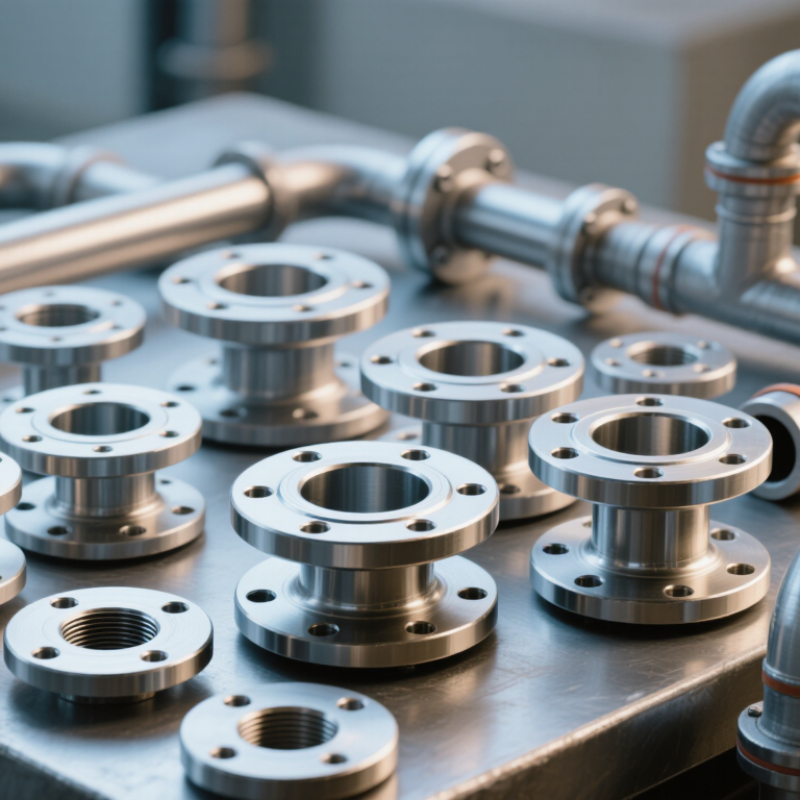
What Stainless Steel Pipe Flanges Are and How They Work
Why Choose Stainless Steel Pipe Flanges?
What Stainless Steel Pipe Flanges Are and How They Work
A stainless steel pipe flange is a connection point fitted to a pipe, valve, pump, or other equipment. Matching flanges are joined with bolts, while a gasket sits between their faces to help contain fluid. The joint can be opened for cleaning, inspection, or equipment replacement. That matters when access is part of routine maintenance.
Stainless steel is valued for its strength and resistance to rust and many corrosive environments. Its performance still depends on the grade, fluid, temperature, and surrounding conditions. It is not immune. Chlorides, stagnant liquid, or unsuitable cleaning chemicals can cause problems, so material compatibility should be checked rather than assumed.
A reliable joint needs more than a suitable alloy. The flange type, pressure rating, face finish, bolts, and gasket must match the piping design. During installation, pipe ends should align without force, and bolts should be tightened evenly in a cross pattern. Uneven loading can distort the joint or create a leak. Small details count. Perfect alignment is not always easy in the field; if a joint needs excessive force, check the support and fit-up before tightening.
Why Choose Stainless Steel Pipe Flanges?
Stainless steel flanges connect pipes to other equipment. Bolts hold the flange faces together, compressing a gasket to create a seal. Chromium in stainless steel helps form a passive surface layer that improves corrosion resistance.
Minimum chromium content specified for common wrought stainless steel grades, by weight. Grade selection should also account for the fluid, operating temperature, pressure, and applicable flange standards.
Key Properties That Make Stainless Steel Flanges Reliable
Stainless steel pipe flanges are valued for their corrosion resistance, strength, and stable performance across many industrial systems. Chromium in the steel forms a thin protective oxide layer that can renew itself after minor surface damage. This helps flanges withstand moisture, cleaning, and everyday exposure to corrosive conditions. Austenitic grades also offer useful toughness across a broad range of operating temperatures.
Still, stainless steel is not immune to corrosion. Chlorides, stagnant water, or an unsuitable grade can cause pitting or crevice attack near gasket faces and bolt holes. A flange’s reliability also depends on pressure rating, temperature, surface finish, and correct installation. In practice, I would not choose a grade by appearance alone; service conditions matter more. Even careful selection cannot compensate for poor alignment or uneven bolt tightening.
Tips: Match the flange material to the fluid and environment. Check the pressure class and gasket compatibility, then tighten bolts in a cross-pattern using the specified procedure. Inspect contact surfaces for scratches or deposits. Small details matter.
Why Choose Stainless Steel Pipe Flanges? — Key Properties That Make Stainless Steel Flanges Reliable
| Key Property |
What It Means |
Reliability Benefit |
Important Consideration |
| Corrosion resistance |
Stainless steel contains chromium, which forms a thin, protective passive layer on the surface. Common flange materials include 304 and 316 stainless steel. |
Helps resist rust and corrosion in many water, process, and industrial environments, supporting longer service life when the grade suits the application. |
Resistance depends on the fluid, concentration, temperature, and exposure conditions. Chlorides can cause pitting or crevice corrosion; 316’s molybdenum improves resistance in many chloride-bearing environments but does not make it immune. |
| Mechanical strength |
Forged stainless flange materials are specified for mechanical properties and are available in different material grades. |
Provides a robust connection when the flange, bolts, gasket, and piping system are correctly selected and assembled. |
Allowable pressure depends on material, flange class, size, temperature, and the applicable piping code—not on material name alone. |
| Temperature performance |
Austenitic grades such as 304 and 316 are used across a range of operating temperatures in industrial piping. |
Can be suitable for systems exposed to temperature changes when the grade and flange rating are appropriate. |
Pressure ratings generally change with temperature. Check the relevant material and pressure-temperature tables for the design conditions. |
| Standardized dimensions |
ASME B16.5 specifies dimensions, tolerances, marking, and pressure-temperature ratings for covered pipe flanges and flanged fittings. |
Using the same applicable standard helps ensure compatible mating dimensions and supports consistent installation. |
Confirm the standard, nominal pipe size, pressure class, facing, and material specification for both mating flanges. |
| Weldability and fabrication |
Common austenitic stainless grades can be joined by established welding processes when suitable procedures and filler materials are used. |
Supports fabrication and integration into many stainless steel piping systems. |
Welding procedures, heat input, filler selection, and post-weld cleaning should be appropriate for the grade and service requirements. |
| Cleanability |
Stainless steel surfaces can be cleaned using methods compatible with the material and the process. |
Can support hygienic or contamination-sensitive applications when paired with suitable surface finish and system design. |
Cleanability also depends on surface finish, crevices, gasket selection, drainage, and the cleaning procedure; the material alone does not ensure hygienic performance. |
Selection reminder: Specify the stainless steel grade and flange standard based on the fluid, operating pressure and temperature, corrosion environment, and applicable design code. Verify the complete assembly—including flange, gasket, and fasteners—before installation.
Common Types and Applications of Stainless Steel Pipe Flanges
Why Choose Stainless Steel Pipe Flanges?
Common Types and Applications of Stainless Steel Pipe Flanges
Stainless steel flanges connect pipes to valves, pumps, and equipment while allowing inspection or replacement. Common choices include weld-neck flanges for demanding, cyclic service; slip-on flanges for straightforward installation; and blind flanges for sealing pipe ends. Socket-weld and threaded types suit smaller lines, while lap-joint flanges help where frequent alignment is needed. Each type has trade-offs.
Applications range from water treatment and food processing to chemical plants and marine piping. Grade 304 works in many general environments; grade 316 offers improved resistance to chloride corrosion, but it is not immune to pitting. The World Stainless Association reported global stainless-steel production of 58.4 million tonnes in 2023, up 4.6% from 2022. That scale reflects broad use, not a guarantee that any grade suits every service. Check flange dimensions and pressure ratings against ASME B16.5, and confirm material compatibility with the actual fluid and temperature.
Tips: Match the flange face, gasket, and bolting to the service. A mismatch can cause leaks. Also verify the pipe schedule and pressure class before ordering; these details are easy to overlook, and field corrections can be costly.
How Stainless Steel Flanges Compare with Other Materials
Stainless-steel flanges are often compared with carbon steel, cast iron, and aluminum. Their chromium-rich surface forms a thin passive layer that helps resist rust in moist service. That protection has limits. Chloride-rich water, such as seawater, can cause pitting, so the alloy grade and operating conditions matter.
Carbon steel usually costs less and can provide strong service when properly coated and maintained. But a scratched coating near a bolt hole may become a maintenance concern.
Cast-iron flanges can suit some lower-pressure systems, but their brittleness makes impact and installation conditions important. Aluminum is lighter, which can help where weight matters, though its strength and temperature limits differ from those of stainless steel.
Stainless steel can reduce coating work, but it often has a higher purchase price and may gall during tightening. Not always obvious.
Match the flange material, pressure rating, gasket, and bolts to the piping system; mixed metals can also create compatibility issues. A clean, damp plant room and a dry indoor line do not present the same corrosion risk.
Factors to Consider When Selecting a Stainless Steel Flange
When selecting a stainless steel pipe flange, match its material grade to the fluid, temperature, and operating pressure. “Stainless steel” covers several alloys, and their resistance to corrosion differs. Chlorides, for example, can challenge some grades. Check the fluid composition and expected temperature range before choosing. Also verify that the flange dimensions, pressure class, and facing suit the connected pipe and equipment.
Consider the flange type and how it will be installed. Weld neck, slip-on, and threaded designs serve different layouts and connection needs. The facing must work with the selected gasket, while bolts must suit the flange and service conditions. Confirm relevant specifications with the project documents and supplier records. A flange can fit physically yet still be a poor match for the system. Small details matter.
Tips: Compare the flange markings and documentation with the required grade, dimensions, and pressure class. Before installation, inspect the sealing face for dents, corrosion, or scratches. If operating conditions are uncertain, pause and confirm them; guessing can lead to the wrong selection. It is easy to focus on the alloy and overlook fit-up.
Conclusion
Stainless steel pipe flanges connect pipes, valves, pumps, and other equipment, creating joints that can be assembled, inspected, and maintained. A Stainless Steel Pipe Flange typically works with a gasket and bolts to form a secure connection suited to the pressure and temperature requirements of a piping system. Its strength, corrosion resistance, and durability make it a dependable choice in environments where moisture, chemicals, or demanding operating conditions may affect other materials.
Flanges come in several designs, including weld neck, slip-on, threaded, and blind types, each serving different installation and service needs. Compared with carbon steel or less durable alternatives, stainless steel can offer improved resistance to rust and longer service life, though cost and application requirements should be considered. Selecting a flange involves checking the connection type, dimensions, pressure rating, temperature range, material grade, and compatibility with the pipe and operating environment.

