+86-350-6071768 [email protected] Dingxiang, Shanxi, China · Forging since 1992

What Is an SS Stub End Flange Used For?

Time:2026-10-05 Author:Charlotte
0%

A Ss Stub End Flange is used to create a removable, economical connection in stainless steel piping systems. The stub end is welded to the pipe, while the backing flange slides over it and provides the bolted connection. This arrangement keeps the flange away from direct contact with the process fluid. That detail matters.

Compared with a solid stainless steel flange, the system can reduce material costs when corrosion-resistant alloy is required throughout the pipe wall. The loose backing flange also supports easier alignment during maintenance. Operators can rotate it before tightening bolts, which helps match drilled holes and reduce installation strain. ASME B16.9 covers dimensions and tolerances for wrought buttwelding fittings, including stub ends. ASME B16.5 governs many related flange dimensions, pressure classes, facing types, and bolting practices. Material selection should also follow specifications such as ASTM A403 for wrought austenitic stainless steel piping components.

Industry guidance reinforces the need for disciplined selection. The World Stainless Association’s Stainless Steel in Figures 2024 report highlights stainless steel’s continuing role in demanding industrial environments, including chemical processing, water systems, and food production. However, corrosion resistance is not automatic. Chlorides, temperature, weld quality, and crevice conditions can change performance quickly. A common mistake is choosing the flange by diameter alone. Pressure rating, alloy grade, gasket compatibility, and operating temperature must be checked together. Real installations are rarely perfect. Welding procedures, surface contamination, and bolt tightening can determine whether a Ss Stub End Flange remains reliable for years.
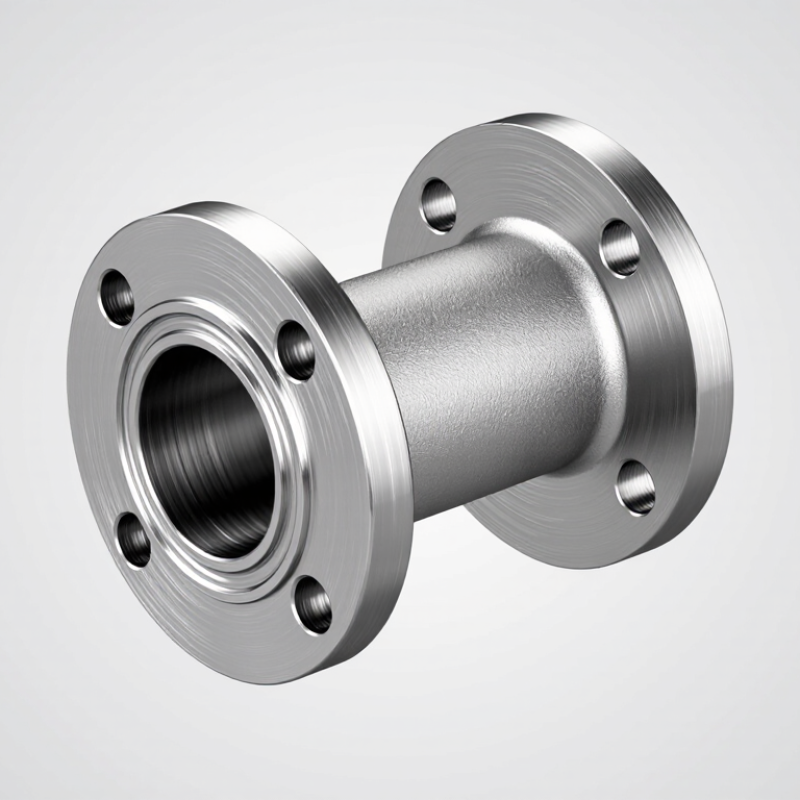
What Is an SS Stub End Flange Used For?

Definition and Basic Structure of an SS Stub End Flange

An SS stub end flange is a stainless-steel fitting used with a loose backing flange. Its basic structure includes a short cylindrical hub, a flared sealing face, and a butt-weld end. The stub end contacts the process fluid, while the backing flange provides bolting support. It is simple. That separation can reduce material costs when expensive stainless steel is needed only on wetted surfaces.

The stub end is welded to a pipe, usually with a full-penetration butt weld. Its raised face or lap face then meets a gasket. Bolts pass through the loose flange, allowing rotation during alignment. This feature helps installers match bolt holes without forcing the pipe into position. ASME B16.5 defines flange dimensions, pressure classes, facing details, and tolerances for many standard sizes. ASTM A182 covers forged stainless components commonly selected for pressure piping service.

Material selection still requires careful review. World Stainless reported approximately 58.4 million tonnes of stainless-steel crude production in 2023, showing the scale of this corrosion-resistant material sector. However, high production volume does not guarantee suitable performance. Chloride exposure, temperature, weld quality, and gasket compatibility can change the result. A practical inspection lesson is easy to miss: the backing flange may look acceptable while the stub face has pitting or distortion. This design is efficient, but it is not maintenance-free. In some services, a solid stainless flange may provide better long-term control.

How an SS Stub End Flange Connects to Piping Systems

What Is an SS Stub End Flange Used For?

An SS stub end flange connects stainless steel piping to valves, equipment, or another pipe section. The stub end is welded directly to the pipe. A loose backing flange then slides over it. That distinction matters. The backing flange does not touch the process fluid in most installations. Only the stub end and its raised face contact the gasket and piping connection.

The connection begins with a square pipe cut and careful surface cleaning. A qualified welder joins the stub end to the pipe using an approved welding procedure. After cooling, the backing flange is positioned over the stub end. The mating flange faces should align without forced movement. Install the gasket evenly, then tighten the bolts in a cross pattern. Controlled torque helps prevent leaks and flange distortion.

Small errors matter.

This design supports easier maintenance because technicians can remove bolts without rotating the entire pipe. It also reduces the cost of using stainless steel across large, high-corrosion systems. Chemical lines, food-processing equipment, and water treatment piping commonly use this arrangement. However, material grade, gasket selection, wall thickness, and temperature must match the service conditions. Field inspections often find clean-looking welds with poor penetration or slight misalignment. These defects may remain unnoticed until thermal cycling begins. Checking weld quality, flange rotation, bolt tension, and face condition is therefore essential before commissioning.

Common Applications in Industrial Piping

What Is an SS Stub End Flange Used For?

Common Applications in Industrial Piping

An SS stub end flange connects stainless steel piping to equipment, valves, or another pipe section. It usually works with a loose backing flange. The stub end is welded to the pipe, while the backing flange rotates around it. This design makes bolt-hole alignment easier during installation. It also reduces the need to rotate heavy pipe sections.

The assembly is common in chemical processing plants, food production lines, pharmaceutical facilities, and water-treatment systems. Stainless steel offers useful resistance to moisture, cleaning chemicals, and many corrosive fluids. In food and pharmaceutical service, smooth internal surfaces can support better hygiene control.

Operators often choose stub ends where regular inspection or dismantling is expected. Maintenance becomes less disruptive.

Installers still need to verify pressure rating, temperature limits, wall thickness, and material compatibility. A flange that fits mechanically may not suit the process fluid. Welding quality matters too. Poor alignment can create stress near the weld and encourage leakage. That is an easy detail to underestimate.

In marine and industrial utility systems, the rotating flange can save time during field assembly. It is especially helpful when access is limited. However, the joint still requires correct gasket selection and controlled bolt tightening. I have found that rushed installation causes more problems than the fitting itself. A careful inspection after pressure testing remains worthwhile.

Key Benefits of Using Stainless Steel Stub Ends

What Is an SS Stub End Flange Used For?

An SS stub end flange connects stainless steel piping where frequent disassembly or careful alignment is required. The stub end is welded to the pipe, while a loose backing flange bolts to another flange. This arrangement transfers sealing pressure through the flange pair, not through repeated pipe rotation.

Key Benefits of Using Stainless Steel Stub Ends

Stainless steel stub ends resist moisture, many chemicals, and temperature changes better than ordinary carbon steel components. This makes them useful in water treatment, food processing, pharmaceutical utilities, and controlled industrial systems. Their smooth internal surface can also reduce areas where residue collects. That detail matters during cleaning.

Maintenance crews often appreciate the replaceable design. If the gasket face or backing flange becomes damaged, technicians may replace the separate part instead of cutting out a long pipe section. The loose flange also helps installers match bolt holes without forcing the pipe into position. Less strain usually means a more reliable connection.

Proper welding remains essential. A poor weld can defeat every material advantage. Inspectors should check the weld profile, flange rotation, gasket seating, and bolt tightening sequence. Grade selection must match the fluid, temperature, and cleaning chemicals. Stainless steel is not a universal fix. In some environments, it can still suffer pitting or stress-related damage. I have found that installation records are often treated as paperwork, yet they reveal whether the connection deserves confidence.

Selection Factors for Different Piping Requirements

An SS stub end flange is used with a loose backing flange to connect stainless steel piping. The stub end is welded to the pipe, while the backing flange rotates for easier bolt alignment and maintenance. This design reduces flange handling, especially in large-diameter systems. It can also lower material costs when only the wetted surfaces require stainless steel.

Selection depends on more than nominal pipe size. Pressure and temperature must match the rating requirements of ASME B16.5 or ASME B16.47. The stub end should also match the pipe schedule, outside diameter, weld detail, and flange facing. ASTM A182 covers common forged stainless components, but the correct grade still depends on chlorides, acids, temperature, and process contamination. Small details matter.

Corrosion deserves careful review. The NACE IMPACT Study estimated global corrosion costs at about 3.1% of global gross domestic product. That figure supports better material selection, but it does not replace engineering judgment. World Stainless reported approximately 58.4 million tonnes of stainless steel production in 2023, showing the material’s broad industrial use. Still, “stainless” is not automatically corrosion-proof. Duplex grades may suit chloride exposure, while austenitic grades often support general process service. Check galvanic contact, thermal cycling, gasket compatibility, and inspection access. A cheaper backing flange may create a weak point. Recheck it.

What Is an SS Stub End Flange Used For?

An SS stub end is butt-welded to stainless steel pipe and paired with a loose lap-joint flange. This arrangement allows flange rotation for easier bolt-hole alignment and can reduce the need for frequent replacement of the more expensive stainless steel flange.

The chart shows the nominal pressure-class designations commonly specified for flanged piping assemblies under ASME B16.5. Select the class according to the design pressure, operating temperature, stainless steel grade, pipe size, corrosion conditions, and applicable piping code.

Important: A pressure class is not a direct pressure rating in psi. The allowable pressure depends on material and temperature tables, flange size, gasket selection, bolting, and the governing design code.

FAQS

What is an SS stub end flange used for?

It connects stainless steel piping to equipment, valves, or another pipe section. The stub end is welded to the pipe.

How does the loose backing flange help installation?

It rotates around the stub end and aligns bolt holes without rotating the entire pipe. This helps in tight spaces.

Where are stainless steel stub ends commonly used?

They appear in chemical processing, food production, pharmaceutical utilities, marine systems, and water treatment lines.

Why are stub ends useful for maintenance?

Crews can disconnect the flange without cutting a long pipe section. That reduces repair time and disturbance.

What material advantages does stainless steel provide?

It resists moisture, many cleaning chemicals, and various corrosive fluids. Its smooth surface can reduce residue buildup.

What should engineers check before selecting a stub end?

Check pressure, temperature, pipe schedule, wall thickness, fluid chemistry, gasket compatibility, and flange facing.

Can stainless steel prevent every corrosion problem?

No. Chlorides, acids, galvanic contact, and thermal cycling can still cause damage. “Stainless” is not magic.

What installation details deserve careful attention?

Inspect weld alignment, gasket seating, flange rotation, and bolt tightening. Pressure testing should follow a careful inspection. Mistakes hide there.

Conclusion

An Ss Stub End Flange is a two-part piping connection designed to join pipes securely while making future maintenance easier. It consists of a short stainless steel stub end welded to the pipe and a separate backing flange that is positioned over the stub end. When the flange is bolted to another flanged component, the stub end creates a reliable sealing surface, while the loose backing flange allows the connection to be assembled or removed without rotating the pipe.

Ss Stub End Flange systems are widely used in chemical processing, food and beverage production, water treatment, petrochemical facilities, and other industrial piping applications where corrosion resistance and hygienic performance are important. Stainless steel offers strength, durability, and suitability for demanding temperatures and fluids. When selecting this connection, engineers should consider pipe size, pressure rating, material grade, operating temperature, fluid characteristics, welding requirements, and compatibility with the mating flange. Proper selection helps ensure leak resistance, long service life, and efficient system maintenance.

Charlotte

Charlotte

Charlotte is a seasoned marketing professional with a deep understanding of the company's portfolio and a passion for elevating its presence in the market. With a keen eye for detail and a commitment to excellence, she ensures that our professional blog is regularly updated with insightful articles......