Choosing the right Fire Flange can determine whether a piping system remains secure during heat, pressure, and unexpected stress. The decision is not based on appearance alone. Material, flange rating, pipe size, gasket design, bolt selection, and installation conditions all matter. A flange that looks robust may still fail when its temperature rating or corrosion resistance is unsuitable.
Real project conditions should guide the selection. Measure the pipe accurately, including its outside diameter, wall thickness, and connection type. Check the required pressure and temperature ranges before comparing products. Carbon steel may suit many industrial systems, while stainless steel can offer stronger corrosion resistance in humid or chemically aggressive areas. Confirm compatibility with the pipe, gasket, fasteners, and surrounding equipment.
Small details matter.
A reliable selection process also considers access for inspection and future maintenance. Fire protection systems may remain unused for years, yet they must perform immediately when needed. Consult current engineering specifications, manufacturer data, and qualified fire protection professionals before approval. Recognized testing and certification can provide useful evidence, but certificates never replace correct installation.
Practical experience often reveals problems that drawings miss. Tight spaces can prevent proper bolt tightening. Uneven surfaces can damage a gasket. Incorrect alignment may create stress across the entire assembly. These issues are easy to overlook. No guide can predict every site condition, and product descriptions are not always perfectly clear. That is why each Fire Flange should be reviewed against the complete project design, operating environment, and inspection plan. A careful choice supports safer performance, easier maintenance, and more dependable long-term results.
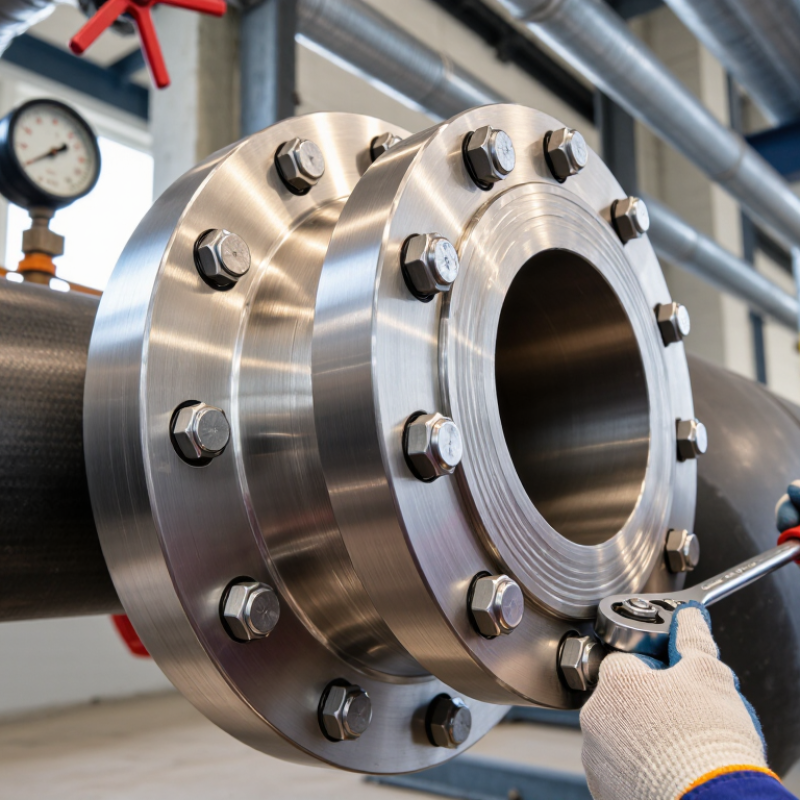
Define the Purpose and Requirements of a Fire Flange
How to Choose the Right Fire Flange for Your Project?
Define the Purpose and Requirements of a Fire Flange
A fire flange is not selected by pipe diameter alone. Its purpose must be clear before reviewing dimensions or materials. Is it joining fire-protection piping, connecting equipment, or supporting a fire-rated assembly? Each application may require different pressure, temperature, and sealing performance. A flange used near a pump room may face vibration and moisture. One installed in a heated service area may require stronger thermal resistance.
Define the working conditions in writing. Record the pipe size, pressure rating, fluid type, operating temperature, connection standard, and installation space. Check whether the flange material suits the pipe and surrounding environment. Carbon steel may work in dry indoor areas, while corrosive conditions need more careful material selection. During field inspections, a common mistake is treating certification as a substitute for engineering judgment. It is not. Verify test documentation, gasket compatibility, bolt requirements, and the applicable fire-safety codes. A qualified engineer should review unusual layouts or high-risk installations.
Tips: Measure twice. Confirm the flange face, bolt pattern, and pipe schedule before ordering. Leave enough clearance for tightening and future inspection. Small errors matter. I would also recheck the specification after installation, because site changes can quietly affect the original design.
Compare Fire Flange Materials, Sizes, and Pressure Ratings
How to Choose the Right Fire Flange for Your Project?
Material selection affects corrosion resistance, strength, and service life. Carbon steel is common for indoor sprinkler piping because it offers high strength and practical cost. Stainless steel suits damp, chemically aggressive rooms, but its price is higher. Ductile iron can handle rugged underground service when the coating and soil conditions are suitable. NFPA 13, 2022, requires listed or approved components in applicable sprinkler installations. That requirement matters more than appearance. A flange may look perfect and still fail inspection.
Size must match the pipe outside diameter, bolt pattern, gasket, and connected valve. A 4-inch flange is not automatically interchangeable across standards. ASME B16.5, 2022, provides dimensional and pressure-temperature tables for common flange sizes. Its Class 150 carbon-steel table lists 285 psi at 100°F for a specific material group. That number can fall as temperature rises. Never treat “Class 150” as a universal working pressure.
Pressure ratings also depend on bolts, gasket compression, joint alignment, and water hammer. NFPA 13 design pressures vary by system layout and hazard classification. Check the system’s maximum working pressure, test pressure, and local code requirements together. Field experience shows rushed flange alignment causes leaks after commissioning. It happens. Measure twice, verify the standard, and document the selected material, size, rating, and test results.
Select the Appropriate Flange Type and Connection Method
How to Choose the Right Fire Flange for Your Project?
Select the flange type after checking pipe material, pressure rating, temperature, and installation space. A raised-face flange suits many high-pressure steel connections, while a flat-face design helps protect softer gasket materials. Threaded flanges can simplify work where welding is impractical. However, threads may demand careful inspection in vibration-prone areas. I have seen rushed selections fail because installers matched diameter only.
Connection method also affects reliability. Weld-neck flanges provide strong alignment for critical piping, but welding requires qualified procedures and controlled site conditions. Slip-on flanges can reduce fabrication time, yet their weld details need careful review. Grooved connections support faster installation and easier maintenance when the approved system design permits them. NFPA 13 requires fire sprinkler systems to use listed or approved components and suitable joining methods. ASME B16.5 provides pressure-temperature ratings and dimensional guidance for many flanges. The NFPA report Fire Loss in the United States During 2023 recorded about 1.5 million fires and 17.9 billion dollars in direct property damage. Those figures make small connection decisions less trivial. Check gasket compatibility, bolt torque, pipe movement, and access for future testing. Do not rely on habit. A flange that fits today may complicate tomorrow’s inspection.
Check Fire Safety Standards and Project Compatibility
How to Choose the Right Fire Flange for Your Project?
Check Fire Safety Standards and Project Compatibility
Choosing a fire flange starts with the project’s approved fire protection design, not a convenient catalog size. Confirm the required fire-resistance rating, pressure class, temperature range, and installation position. Requirements can differ between walls, floors, shafts, and equipment rooms. Always check the current building code and the authority having jurisdiction.
A flange should match the complete pipe assembly. Verify pipe material, outside diameter, wall thickness, gasket type, bolt pattern, and connection method. A small mismatch can create leakage, movement, or an untested fire path. Ask for test reports, installation instructions, and certification from recognized testing bodies. Do not rely on a similar-looking product.
Details matter.
On site, measure the pipe before ordering. Check clearance around the penetration, insulation thickness, and access for tightening bolts. The flange must work with the firestop system, sleeves, supports, and nearby services. Mixing components from different tested assemblies may reduce performance, even when each part appears suitable.
I once treated flange compatibility as a simple dimension check. That shortcut was wrong. The gasket and firestop arrangement changed the installation result. A qualified fire protection engineer or inspector should review unusual penetrations and high-risk areas. Keep photographs, product documents, and inspection records with the project file. Those records make later verification easier.
Verify Installation Conditions and Maintenance Needs
How to Choose the Right Fire Flange for Your Project?
Verify Installation Conditions and Maintenance Needs
A fire flange should match the pipe material, outside diameter, pressure rating, and joining method. Do not rely on appearance alone. Check the approved drawings, temperature range, gasket compatibility, bolt grade, and available clearance. A flange that fits poorly can create leakage, alignment stress, or delayed maintenance. Confirm that the assembly remains accessible after insulation, ceilings, and protective coatings are installed. That detail is often missed.
NFPA’s Fire Loss in the United States During 2023 reported approximately 1,504,500 fires and 22.2 billion dollars in direct property damage. These figures reinforce why small installation decisions deserve careful review. Inspectors should verify flange alignment, bolt tightening, corrosion protection, and contact with nearby combustible materials. Follow the applicable installation standard and the manufacturer’s tested configuration, without substituting unverified components.
Maintenance needs should influence the selection before installation. Choose a location where technicians can inspect bolts, gaskets, valves, and surrounding pipework safely. NFPA 25 provides recurring inspection, testing, and maintenance requirements for water-based fire protection systems. Record pressure readings, visible corrosion, leakage, and repairs. In practice, a flange may remain serviceable while its gasket quietly deteriorates. That assumption is risky. I would also photograph concealed connections before closure, although this step is easy to forget. Periodic reviews should consider vibration, freezing exposure, chemical contact, and changes to building use.
FAQS
Check pipe material, pressure rating, temperature, diameter, and installation space. Measure the pipe first. A diameter match alone is not enough.
A raised-face flange often suits high-pressure steel pipe connections. Confirm the gasket and pressure rating before installation. Details matter.
A flat-face design can protect softer gasket materials from excessive stress. Check the complete pipe assembly before choosing it. It is not automatically safer.
Threaded flanges can simplify installation where welding is impractical. Inspect the threads carefully in areas with vibration or movement. Small damage can matter.
Weld-neck flanges support strong alignment in critical piping systems. They require qualified welding procedures and controlled site conditions. The site may not be ready.
Slip-on flanges may reduce fabrication time, but weld details need review. Grooved connections can speed installation and maintenance when approved by the design. Use only compatible components.
Verify the pipe diameter, wall thickness, gasket, bolt pattern, and joining method. Also check sleeves, firestop materials, supports, insulation, and nearby services. One mismatch may cause leakage.
Keep test reports, installation instructions, certifications, photographs, and inspection records. These documents support future verification and maintenance. I once relied on memory. That was a mistake.
Flanges must suit the system’s pressure class and temperature range. Use recognized dimensional and pressure-temperature guidance for the selected flange. A fitting flange can still fail under different conditions.
A qualified fire protection engineer or inspector should review unusual penetrations and high-risk areas. They should assess movement, access, gasket compatibility, and the firestop arrangement. Do not depend on habit.
Conclusion
Choosing the right Fire Flange begins with clearly defining its purpose and the demands of your project. Consider the type of piping system, operating temperature, media, pressure, and expected fire exposure. Compare available materials for strength, corrosion resistance, and heat performance, while selecting a suitable size and pressure rating based on system specifications. These factors help ensure the flange can provide reliable sealing and structural support under normal and emergency conditions.
You should also select the appropriate flange design and connection method, such as bolted, welded, or another compatible option, according to the pipe layout and installation requirements. Check applicable fire safety standards, testing requirements, and project regulations before purchase. Finally, verify that there is enough space for installation, inspection, and maintenance. A practical maintenance plan should include routine checks for corrosion, loose fasteners, seal damage, and signs of deformation, helping the Fire Flange remain dependable throughout its service life.

